


©AFLO

Let the serenity and culture of the Hokuriku region wrap you in nature and relax you on this journey to detox your mind and body.
From the gardens of Tokyo to the temples and shrines of Sado Island and Fukui and their abundant nature, here we will guide you on a journey of deep breathing to balance your mind and body.
Interact with serenity at the Koishikawa Korakuen garden and the Japan Folk Crafts Museum before traveling to Sado to experience nature and history through the gold mines and nighttime kayaking.
Immerse yourself in the culture of Zen Buddhism at Eiheiji Temple and reset your spirit through Washi paper making and a tour of temples and shrines.
Get a taste of slow travel and enjoy this moment of tranquility surrounded in nature.
Destination

Itinerary

5Days
Transport

JR+Bus+Ferry
Tokyo to Sado
Tokyo to Sado
about
3 hours
20 minutes
3 hours
20 minutes
Highlights
-
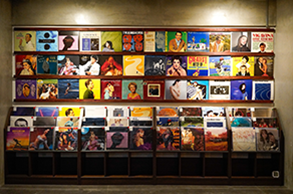 Day 1Your quiet time in Tokyo starts at Tokyo Station and takes you to Japanese gardens and walks through city.
-
 Days 2 to 3Immerse your body in island time and spend two days interacting with nature, history, and culture.
-
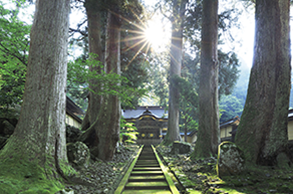 Days 4 to 5A journey of creating and prayer to stimulate your five senses, embraced by nature and tradition
*The times represent the approximate time needed to travel between major spots.
Day 1
Your quiet time in Tokyo starts at Tokyo Station and takes you to Japanese gardens and walks through city.
Your journey begins at a quiet oasis in Tokyo.
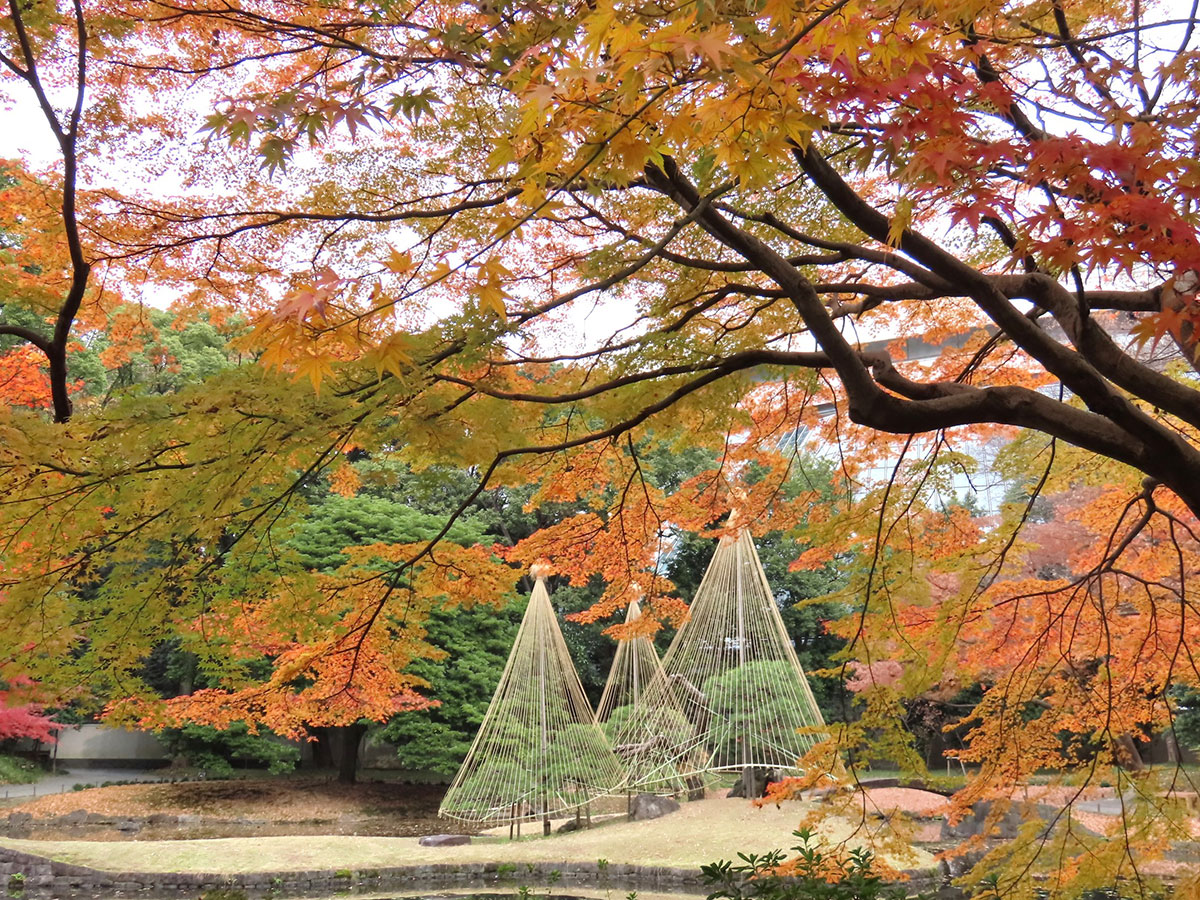
First, take a leisurely walk through Koishikawa Korakuen garden that reflects the changing of the seasons. Here, the relaxed flow of time will let you unwind.
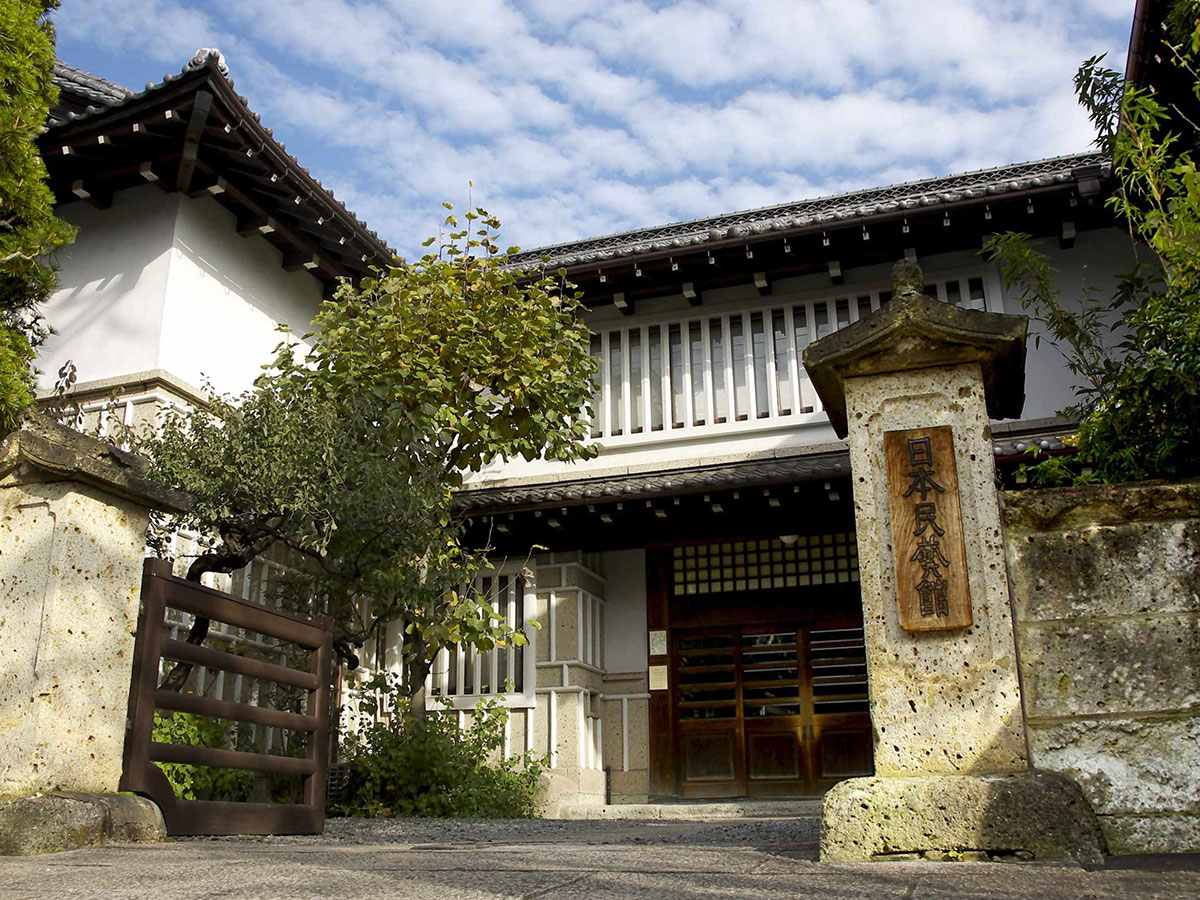
Then visit the Japan Folk Crafts Museum that informs of the beauty of the Japanese lifestyle. Interact with the warmth of the crafts and experience the beauty of handiwork.
Then head to the RECOCO record cafe in the afternoon to spend a quiet moment of music and coffee.
Close out the night in comfort at the Book and Bed library where books and sleep will relax your body.
This will be a tranquil day spent experiencing serenity in the middle of the city.
First, take a leisurely walk through Koishikawa Korakuen garden that reflects the changing of the seasons. Here, the relaxed flow of time will let you unwind.
Then visit the Japan Folk Crafts Museum that informs of the beauty of the Japanese lifestyle. Interact with the warmth of the crafts and experience the beauty of handiwork.
Then head to the RECOCO record cafe in the afternoon to spend a quiet moment of music and coffee.
Close out the night in comfort at the Book and Bed library where books and sleep will relax your body.
This will be a tranquil day spent experiencing serenity in the middle of the city.

1
Koishikawa Korakuen Gardens
Construction of this garden was started during the early Edo Period in 1629 by Yorifusa, the founder of the Mito Tokugawa family, as the garden for his secondary residence (which later became his main mansion in Edo). It was completed in the lifetime of Mitsukuni, the second Mito Tokugawa feudal lord. The garden is composed of artificial hills and ponds circled by paths, built around a central pond. Mitsukuni referred to the opinions of Zhu Shunshui ("Shu Shunsui" in Japanese), a surviving retainer of the Ming Dynasty when constructing the garden, incorporating scenes from China, including a "full-moon" shaped bridge (*Known as the Full Moon Bridge in Japanese, because the arch of the stone bridge reflected on the water's surface creates an image like a full moon) and a West Lake bank. The garden itself was also named by Shunshui, making it brim with the atmosphere of China.
公益財団法人 東京都公園協会
 45 minutes by train(non-JR lines)
2
Japan Folk Crafts Museum
The Japan Folk Crafts Museum serves to communicate about the beauty of handicrafts, embodying the philosophy of the so-called Mingei Movement (folk crafts movement) advocated by Soetsu Yanagi and others. Opened in 1936, the building that houses the Main Hall of the museum itself, together with the former home of Soetsu Yanagi, possess high cultural value, and are registered as Tangible Cultural Assets by the Tokyo government. The museum holds and exhibits a collection of approximately 17,000 pieces of folk art, including ceramics, dyed textiles, woodwork, and lacquerware from throughout Japan and the world that were created as part of the daily lives of the common people. Together, these give a sense of the functional beauty of folk crafts through an approach to exhibition that reflects the aesthetic sense of Soetsu Yanagi. Special exhibits are held on a regular basis as the museum continues to communicate about the appeals of folk crafts to a wide audience.
画像提供:日本民藝館
 16 minutes by foot
3
RECOCO Shibuya
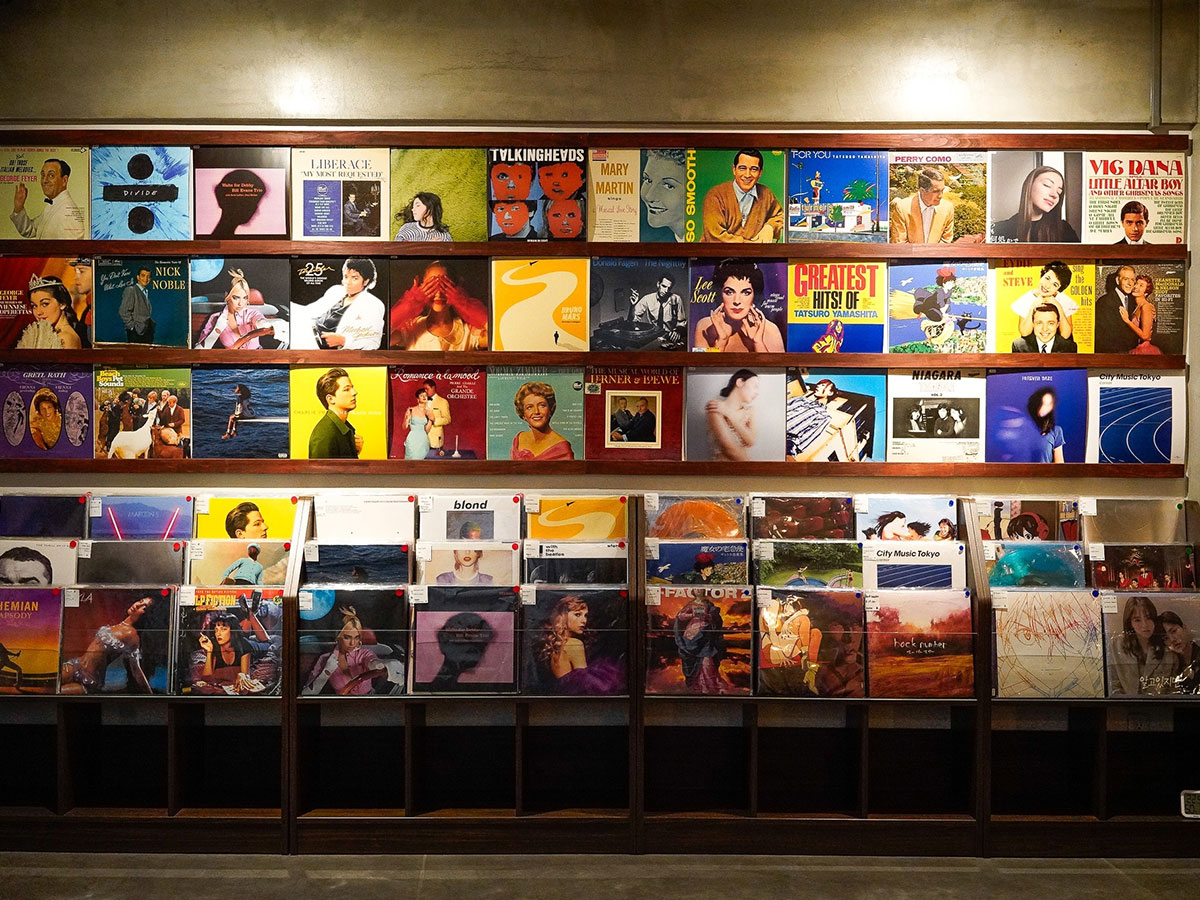
This cafe was established based on a concept of providing anyone with an opportunity to enjoy analog records accessibly, even if they are a beginner.
Record players are installed at every seat, and guests can listen to records on the headphones provided while enjoying coffee or an alcoholic beverage.
The cafe, which is growing in popularity particularly via social media, has a wide collection of records including not only western music, but Japanese City Pop as well. The cafe is frequently visited by guests from overseas.
A second branch has also opened in Shimokitazawa.
Record players are installed at every seat, and guests can listen to records on the headphones provided while enjoying coffee or an alcoholic beverage.
The cafe, which is growing in popularity particularly via social media, has a wide collection of records including not only western music, but Japanese City Pop as well. The cafe is frequently visited by guests from overseas.
A second branch has also opened in Shimokitazawa.
 30 minutes by train (JR)
4
BOOK AND BED TOKYO shinjuku
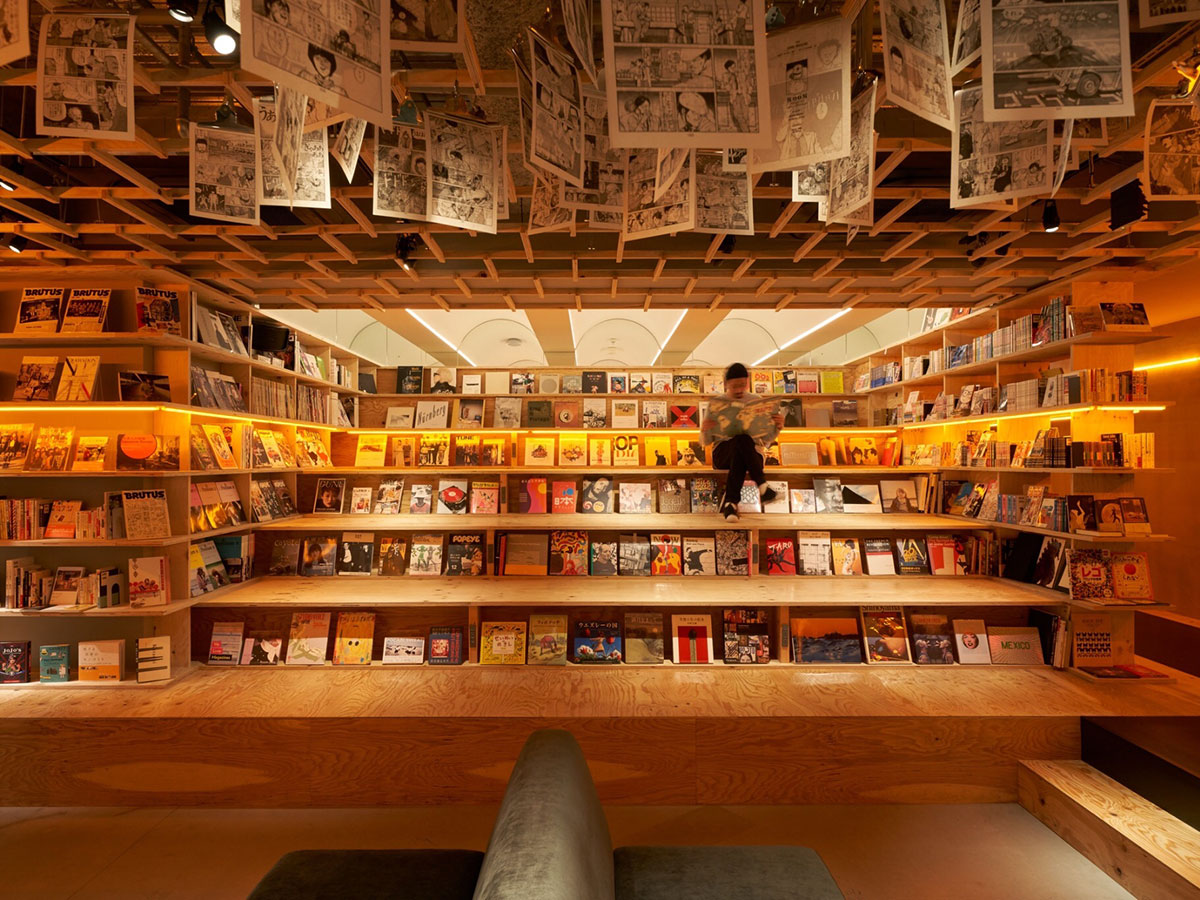
BOOK AND BED TOKYO, located in Shinjuku, is the perfect hostel for bookworms. The unique interior has beds built right into the bookshelves, so you can sleep surrounded by a wide range of genres. During the day, the same interior becomes a lounge. You can pick up books you wouldn't normally get the chance to read and enjoy a relaxing read while immersing yourself in a blissful sleep.
 2 hour 20 minutes by JR Joetsu Shinkansen
 20 minutes by bus
 1 hour 10 minutes by ferry
 1 hour 5 minutes by car
Days 2 to 3
Immerse your body in island time and spend two days interacting with nature, history, and culture.
Sado Island, floating offshore from Niigata Prefecture, offers a chance to experience time that flows differently from the city.
On the first day, take a leisurely stroll through the seaside village of Shukunegi. Experience the unique warmth and serenity of Sado on the streets lined with traditional wooden homes. Then take a nighttime kayak tour on the sea and experience a mystical moment becoming one with nature.
On the second day, you will visit the Sado Gold Mine to interact with the historic mining culture before watching an Onidaiko drumming and dance performance, an art passed down from times past in the region, and experience a power that will make your soul dance.
These are two days where you will get a taste of serenity on Sado, where livelihoods and nature are in balance, that reaches deep into your heart.
On the first day, take a leisurely stroll through the seaside village of Shukunegi. Experience the unique warmth and serenity of Sado on the streets lined with traditional wooden homes. Then take a nighttime kayak tour on the sea and experience a mystical moment becoming one with nature.
On the second day, you will visit the Sado Gold Mine to interact with the historic mining culture before watching an Onidaiko drumming and dance performance, an art passed down from times past in the region, and experience a power that will make your soul dance.
These are two days where you will get a taste of serenity on Sado, where livelihoods and nature are in balance, that reaches deep into your heart.
5
Shukunegi Village
The Shukunegi district is situated on the southwestern side of Sado.
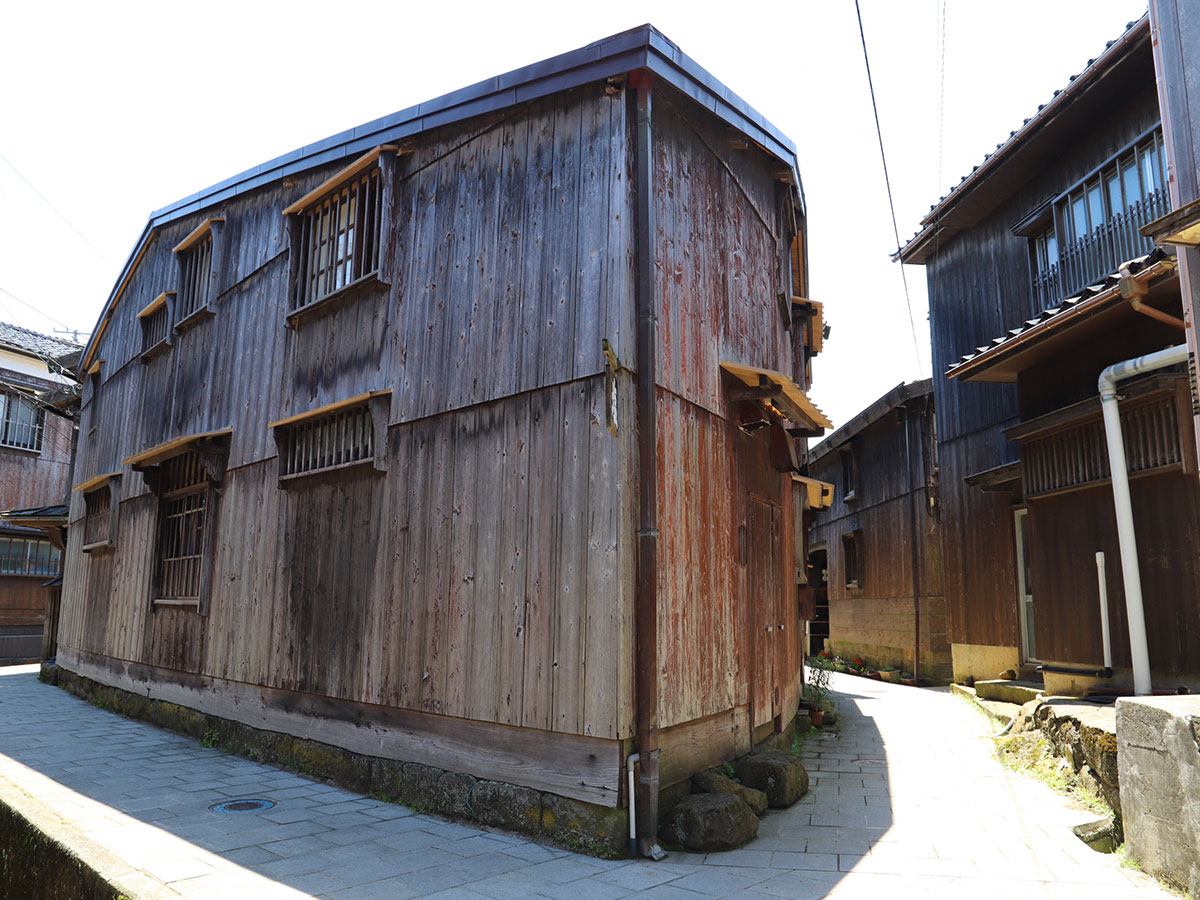
This tiny village, covering only a single hectare, has been home to a port since medieval times. It developed and prospered as a base for the maritime shipping industry on the Sea of Japan from the late Edo to early Meiji periods, encompassing the period during which the Sado Gold Mines prospered during the 17th century, and is said to have once held one third of the wealth of Sado Island. Facing a small inlet, the townscape that attracted shipbuilding experts and technicians, including shipwrights, is occupied by 100 homes in close proximity with walls made from wooden ship planks. Meanwhile, the Sado Island Ogi Folk Museum on high ground exhibits (fee required) a reproduction of the Hakusanmaru, a type of ship called a Sengokubune so named because it was designed to carry 1,000 “goku” of rice, or approximately 150 tons.
This tiny village, covering only a single hectare, has been home to a port since medieval times. It developed and prospered as a base for the maritime shipping industry on the Sea of Japan from the late Edo to early Meiji periods, encompassing the period during which the Sado Gold Mines prospered during the 17th century, and is said to have once held one third of the wealth of Sado Island. Facing a small inlet, the townscape that attracted shipbuilding experts and technicians, including shipwrights, is occupied by 100 homes in close proximity with walls made from wooden ship planks. Meanwhile, the Sado Island Ogi Folk Museum on high ground exhibits (fee required) a reproduction of the Hakusanmaru, a type of ship called a Sengokubune so named because it was designed to carry 1,000 “goku” of rice, or approximately 150 tons.
 45 minutes by car
6
Night Kayak Adventure on Sado Island
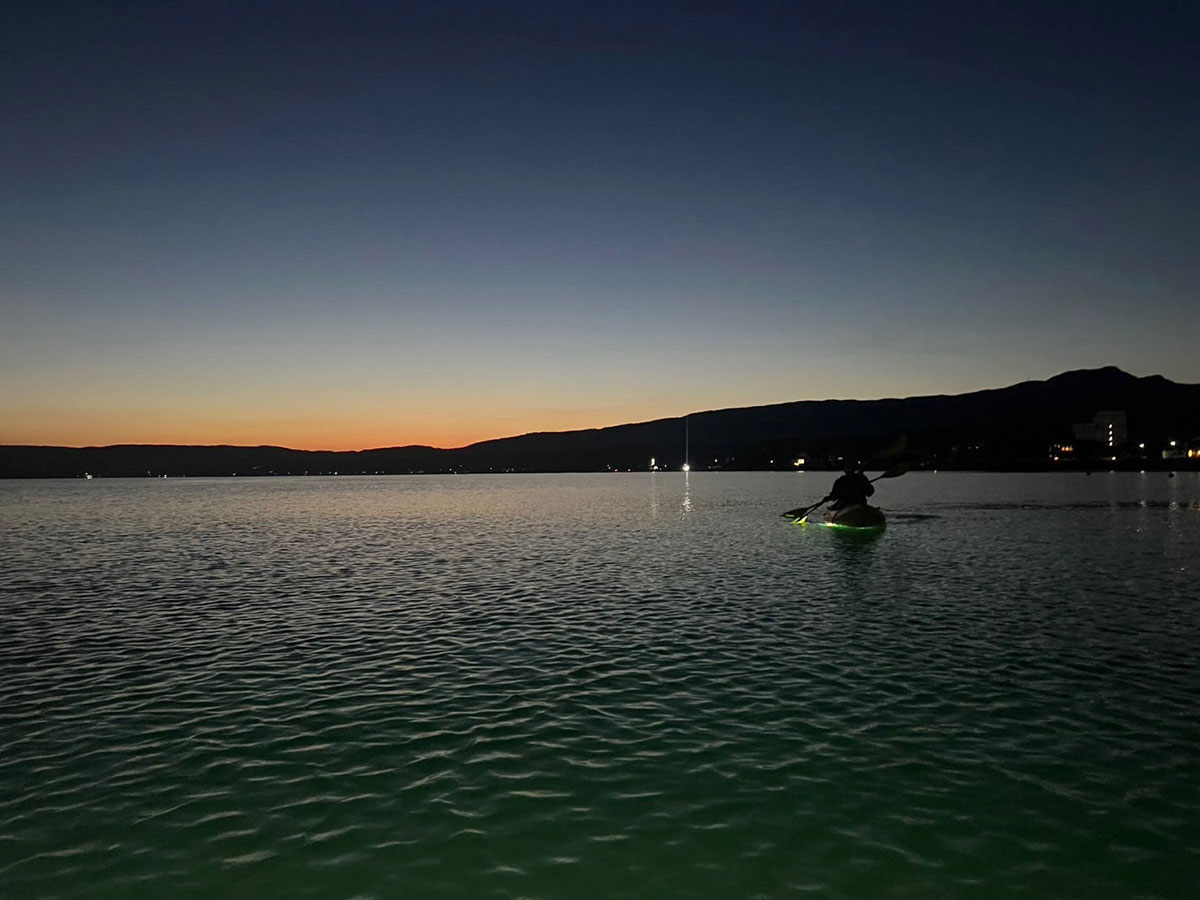
Night kayaking around Mano Bay and Lake Kamo is a special experience that offers you an opportunity to row out on the quiet night waters just after dusk.
LED lights hung from the kayaks gently light the water surface, and sand patterns and shadows of fish seem to mystically emerge from below. The atmosphere of the sea at night is completely different from the daytime and will take your breath away.
Another appeal of this experience is being able to view the starry sky above you when the weather is good. The waves are gentle from early summer through fall, enabling even beginners to safely participate.
So why not experience the mystical magic woven of tranquility and light just around dinner time?
LED lights hung from the kayaks gently light the water surface, and sand patterns and shadows of fish seem to mystically emerge from below. The atmosphere of the sea at night is completely different from the daytime and will take your breath away.
Another appeal of this experience is being able to view the starry sky above you when the weather is good. The waves are gentle from early summer through fall, enabling even beginners to safely participate.
So why not experience the mystical magic woven of tranquility and light just around dinner time?
7
Historic Site Sado Gold Mine
The Sado Gold Mine developed on Sado Island, an island with rich gold mines, developed from the late 16th century through the mid 19th century, originally managed operated directly by the Tokugawa Shogunate following a unique system, unlike mines operated under European influence, during Japan’s policy of isolationism when technological exchange with foreign countries was limited.
This site is a rare heritage that demonstrates the large scale gold production system, based on manual labor, that continued for over 250 years, producing gold at world-class gold in terms of both quality and volume.
Open to the public as one of the main gold mines in the World Heritage Site “The Sado Island Gold Mines” designated in 2024, the Historic Site Sado Gold Mine allows visitors to tour both hand dug tunnels and dig sites from the Edo period and machine dug tunnels from the the Meiji period and later.
Experience the wonder of the history of the World Heritage Site “The Sado Island Gold Mines” at the Historic Site Sado Gold Mine.
This site is a rare heritage that demonstrates the large scale gold production system, based on manual labor, that continued for over 250 years, producing gold at world-class gold in terms of both quality and volume.
Open to the public as one of the main gold mines in the World Heritage Site “The Sado Island Gold Mines” designated in 2024, the Historic Site Sado Gold Mine allows visitors to tour both hand dug tunnels and dig sites from the Edo period and machine dug tunnels from the the Meiji period and later.
Experience the wonder of the history of the World Heritage Site “The Sado Island Gold Mines” at the Historic Site Sado Gold Mine.

史跡 佐渡金山
30 minutes by car
8
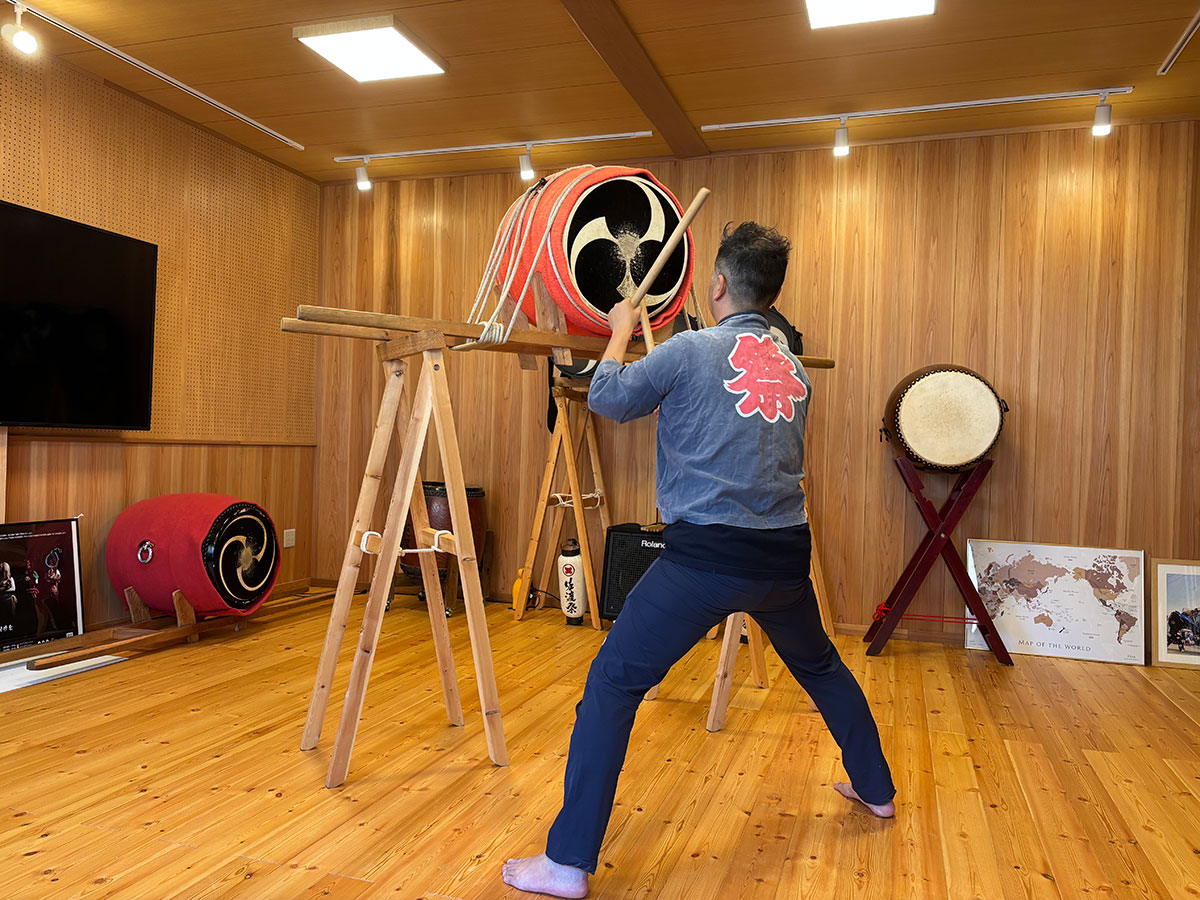
Onidaiko (Traditional Drum Dance) Experience on Sado Island
Why not try your hand at the traditional artform of Onidaiko dancing and drumming in Sado?
The Onidaiko art form, a traditional art form performed at festivals throughout Sado Island in Niigata Prefecture, features dancers dressed in Oni demon and Shishi lion costumes dancing to the rhythms of drums to pray for a good harvest and dispel evil spirits. There are approximately 120 Onidaiko organizations throughout the island, each with a unique take on the art form that they have passed down through generations.
This interactive plan offers a chance to learn the appeals of Onidaiko through video and lectures, and then become a demon yourself as you dance and strike the drums. There is a commemorative photo session at the end, and it should be noted that this is a beginner’s plan appropriate for first time participants.
* This plan does not include a viewing of a performance of an actual Onidaiko group from a local village. It only includes the workshop.
The Onidaiko art form, a traditional art form performed at festivals throughout Sado Island in Niigata Prefecture, features dancers dressed in Oni demon and Shishi lion costumes dancing to the rhythms of drums to pray for a good harvest and dispel evil spirits. There are approximately 120 Onidaiko organizations throughout the island, each with a unique take on the art form that they have passed down through generations.
This interactive plan offers a chance to learn the appeals of Onidaiko through video and lectures, and then become a demon yourself as you dance and strike the drums. There is a commemorative photo session at the end, and it should be noted that this is a beginner’s plan appropriate for first time participants.
* This plan does not include a viewing of a performance of an actual Onidaiko group from a local village. It only includes the workshop.
 15 minutes by car
1 hour 10 minutes by ferry
20 minutes by bus
15 minutes by car
1 hour 10 minutes by ferry
20 minutes by bus
9
Niigata Station
Niigata Station is the transport hub of Niigata City, and in addition to Station Shopping Center CoCoLo, and Ponshu-kan, a sake amusement park, a variety of shops can be found there where visitors can enjoy shopping and dining.
 4 hours 5 minutes by train (JR)
37 minutes by bus
4 hours 5 minutes by train (JR)
37 minutes by bus
Days 4 to 5
A journey of creating and prayer to stimulate your five senses, embraced by nature and tradition
In Fukui, you will be greeted with experiences that balance your mind and body from deep inside.
Balance your breathing through Zen meditation on the first day at the famous Eiheiji Temple for a moment of introspection.
Then deeply heal your mind and body in fragrant waters, surrounded in the spirit of Zen, at the day’s accommodations, Hakujukan.
On the second day, immerse yourself in an ancient atmosphere of prayer at Okamoto Shrine/Otaki Shrine surrounded in forest.
Then join a Washi paper making workshop at Echizen Washi no Sato, and experience the beauty and serenity of handiwork.
These two days will return peace to your heart in Fukui, where quiet nature and deep culture intersect.
Balance your breathing through Zen meditation on the first day at the famous Eiheiji Temple for a moment of introspection.
Then deeply heal your mind and body in fragrant waters, surrounded in the spirit of Zen, at the day’s accommodations, Hakujukan.
On the second day, immerse yourself in an ancient atmosphere of prayer at Okamoto Shrine/Otaki Shrine surrounded in forest.
Then join a Washi paper making workshop at Echizen Washi no Sato, and experience the beauty and serenity of handiwork.
These two days will return peace to your heart in Fukui, where quiet nature and deep culture intersect.
10
Soto Zen Daihonzan Eiheiji Temple
The temple was founded as a Zen monastery in 1244 by Soto Zen founder Dogen Zenji. There are more than 70 large and small buildings on the grounds, and the shichido garan complex of halls connected by corridors is a large building that is indispensable for everyday practice. The Rurishobokaku museum has a number of treasures on display that include the Fukan zazengi, Dogen Zenji's essay on the practice of Zen, which is a national treasure.
In 2015, the French Michelin Green Guide Japan gave the temple a 2-star rating.
In 2015, the French Michelin Green Guide Japan gave the temple a 2-star rating.

©AFLO
6 minutes by foot
11
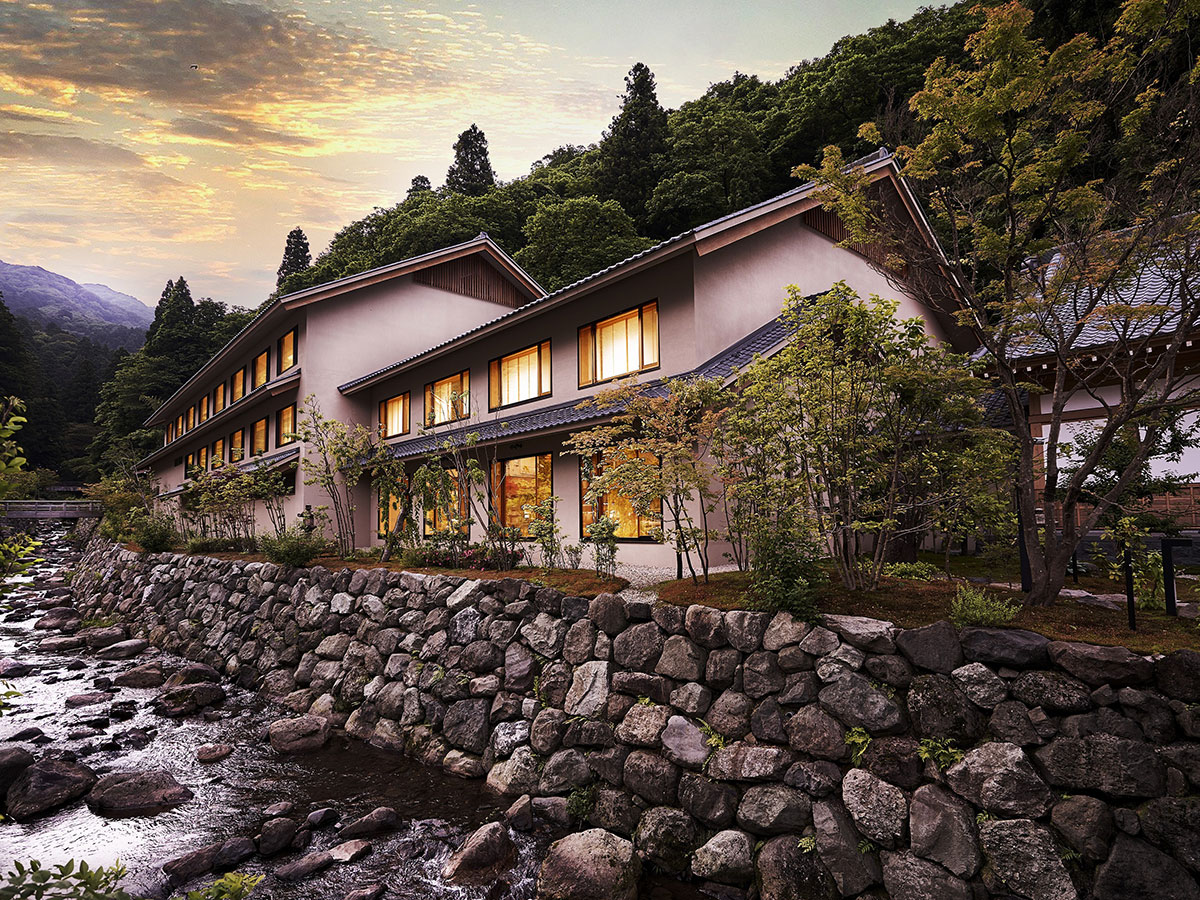
Eiheiji Hakujukan
The Hakujukan hotel of Eiheiji Temple, or Eiheiji Hakujukan, situated on a separate portion of the grounds of the Daihonzan Eiheiji Temple, is built with Eiheiji Sugi, or local Japanese ceder, featuring a total of 18 Japanese and western style guest rooms, separate large baths for men and women, and a restaurant that serves Buddhist cuisine (Shojin Ryori) supervised by the temple.
Based on a concept of accommodations that blend elements of both inns and temple hostels, the hotel offers guests an opportunity to encounter the spirit of Zen through Zen meditation workshops and other activities.
Guests can immerse themselves in the world of Zen, a world that has attracted strong interest in recent years especially among women, active seniors, and foreign visitors, in a comfortable environment.
Based on a concept of accommodations that blend elements of both inns and temple hostels, the hotel offers guests an opportunity to encounter the spirit of Zen through Zen meditation workshops and other activities.
Guests can immerse themselves in the world of Zen, a world that has attracted strong interest in recent years especially among women, active seniors, and foreign visitors, in a comfortable environment.
 2 hours 30 minutes by bus
12
Okamoto-Otaki Shrine
Around 1,500 years ago, when Emperor Keitai was in Echizen and was called Ohodo no Miko, a princess appeared upstream of the Okamoto River in the village and said, "This land is blessed with pure water, make paper here and make a living," and warmly taught the villagers how to make paper. The villagers the princess taught venerated her as Kawakami Gozen and built Okamoto Shrine in dedication. The shrine was erected in 1843, and is designated as an Important Cultural Property.
 16 minutes by foot
13
Echizen Washi Village
The Goka area in which the Echizen Washi Village is located, has an approx. 1,500-year history as one of the few washi paper-producing regions in Japan, and boasts the highest quality and technology for producing Echizen washi.
The facilities at Echizen Washi Village related to Echizen paper are concentrated along an approx. 200m street , and you can observe craftsmen and try making paper yourself along beautiful streets the combine tradition with nature.
The facilities at Echizen Washi Village related to Echizen paper are concentrated along an approx. 200m street , and you can observe craftsmen and try making paper yourself along beautiful streets the combine tradition with nature.

*The information provided here is as of December 2025.
*Transportation information does not include the number of transfers or transfer time.
*Admission fees may be charged depending on the spot/facility. For the latest information on business hours, days when spots/facilities are regularly closed, prices, etc., please check the official website for each spot/facility or check directly with the spot/facility.
*Transportation information does not include the number of transfers or transfer time.
*Admission fees may be charged depending on the spot/facility. For the latest information on business hours, days when spots/facilities are regularly closed, prices, etc., please check the official website for each spot/facility or check directly with the spot/facility.
update: Dec.16.2025