Theme of the Scenic Route

Enjoy everything from the latest tourist spots and Edo culture of Tokyo to the culinary culture and modern art of Kanazawa

ONE MORE STEP FROM TOKYO
ISHIKAWA × TOKYO
Omicho Market
SUIGIAN
Omicho Market
SUIGIAN

This course takes you to the latest spots and Edo culture of Tokyo, and lets you experience the history and gastronomy of Kaga Hyakumangoku located in Kanazawa.

You will travel around tourist spots in the capital city enjoying the latest experience-style facilities and famous Edo culture spots that can only be found in Tokyo. You do not just tour these places, but you can experience the appeal of "old meets new" for yourself. You then take the Hokuriku Shinkansen about 2 and a half hours from Tokyo, where you can enjoy the traditions and gastronomy of the ancient city of Kanazawa.

*For the latest information on business hours, days when spots/facilities are regularly closed, prices, etc., please check the official website for each spot/facility or check directly with the spot/facility.

Destination

Itinerary​

3Days

Transport

JR Hokuriku Shinkansen
Tokyo to Ishikawa
2 hours
30 minutes
Day1
TOKYO
1
Tokyo Station
Tokyo Station_1
Tokyo Station_2
Tokyo Station_3
Tokyo Station_4
Tokyo Station_1 Tokyo Station_2 Tokyo Station_3 Tokyo Station_4

©AFLO

October 2012 saw completion of the preservation and restoration work on the Tokyo Station Marunouchi Building. The red brick facade long loved as the symbol of Tokyo Station has made a comeback, along with the history and grandeur of the original building dating nearly a hundred years back. The occasion also saw the reopening of Tokyo Station Hotel and Tokyo Station Gallery. The former is the hotel situated within an important cultural property of Japan. The interior is designed in a sophisticated, classical European style to blend with the splendor of the Marunouchi Building exterior.
30 minutes by train (JR)
5 minutes by foot
2
SHIBUYA SCRAMBLE SQUARE
SHIBUYA SCRAMBLE SQUARE_1
SHIBUYA SCRAMBLE SQUARE_2
SHIBUYA SCRAMBLE SQUARE_3
SHIBUYA SCRAMBLE SQUARE_1 SHIBUYA SCRAMBLE SQUARE_2 SHIBUYA SCRAMBLE SQUARE_3
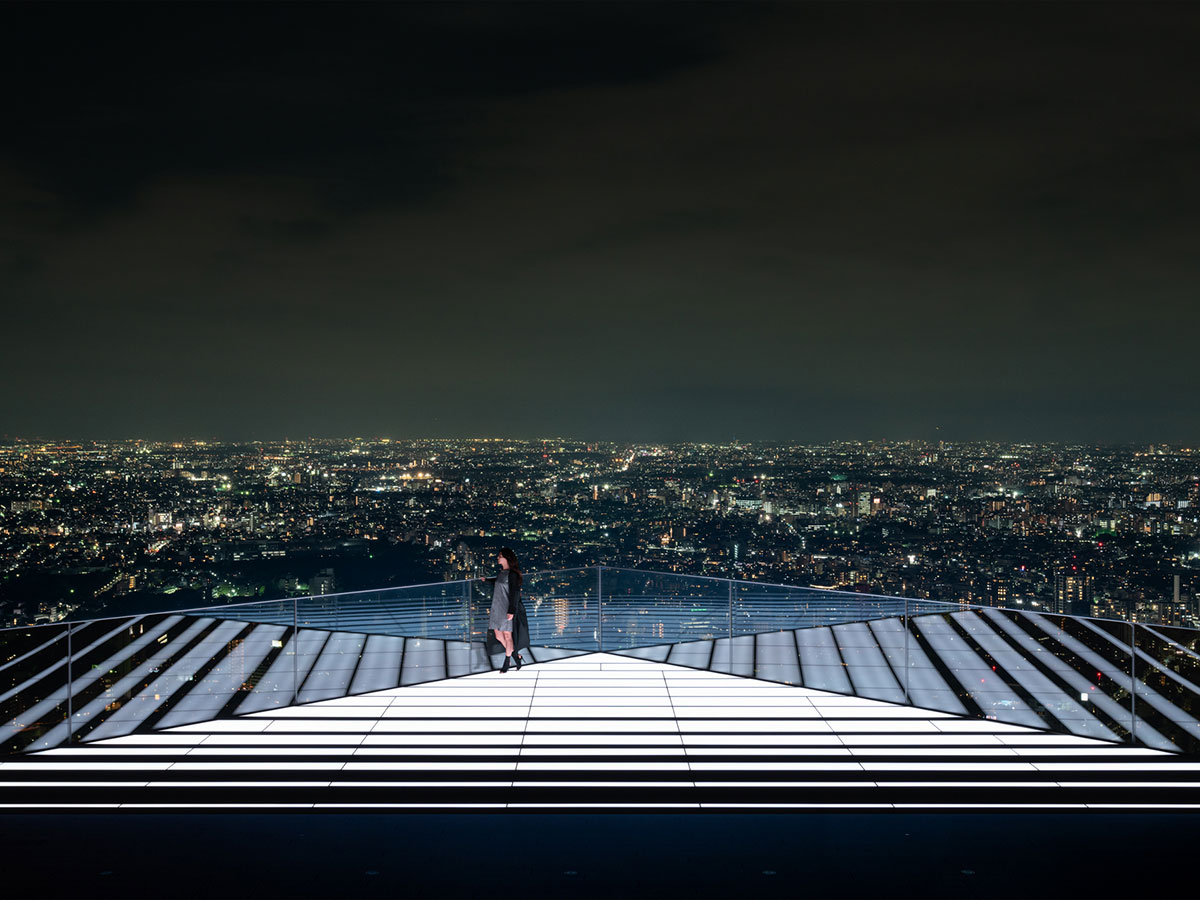
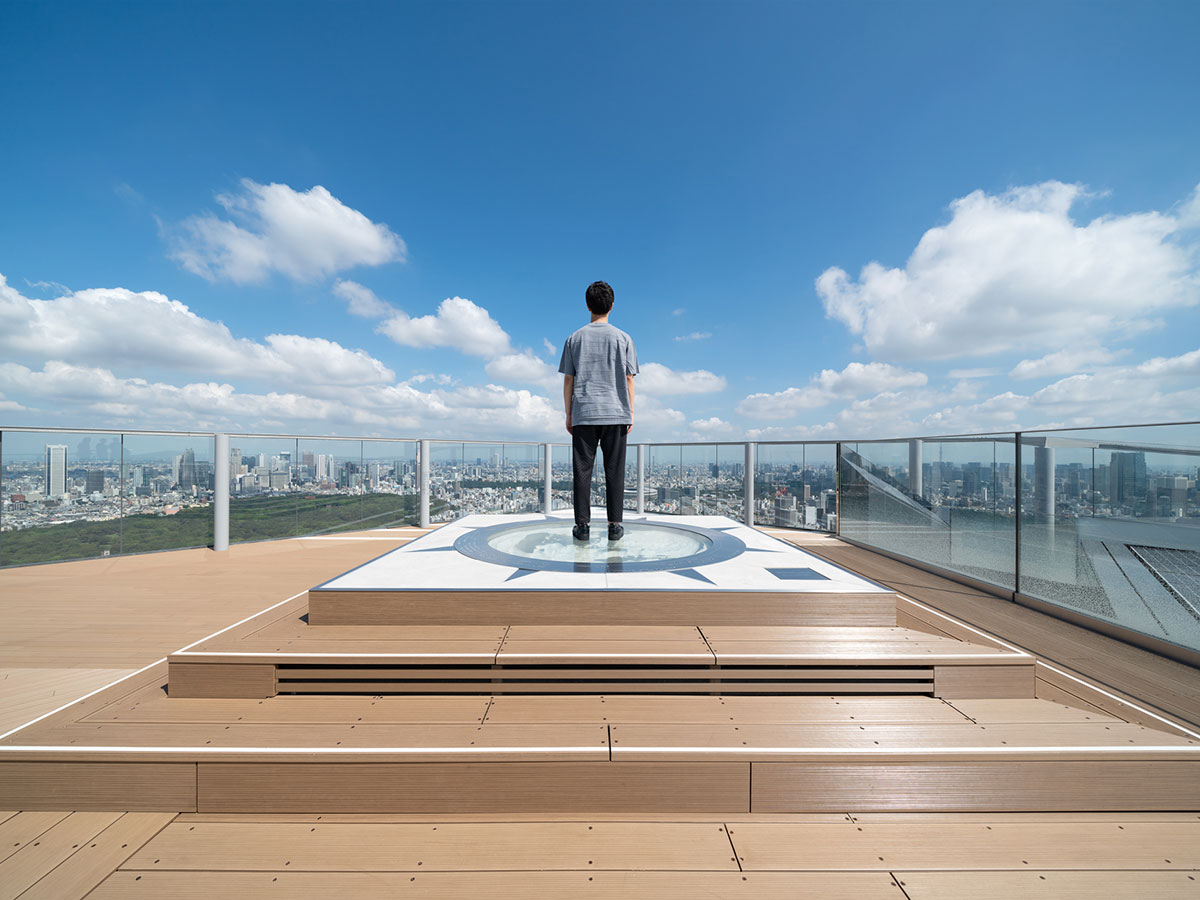
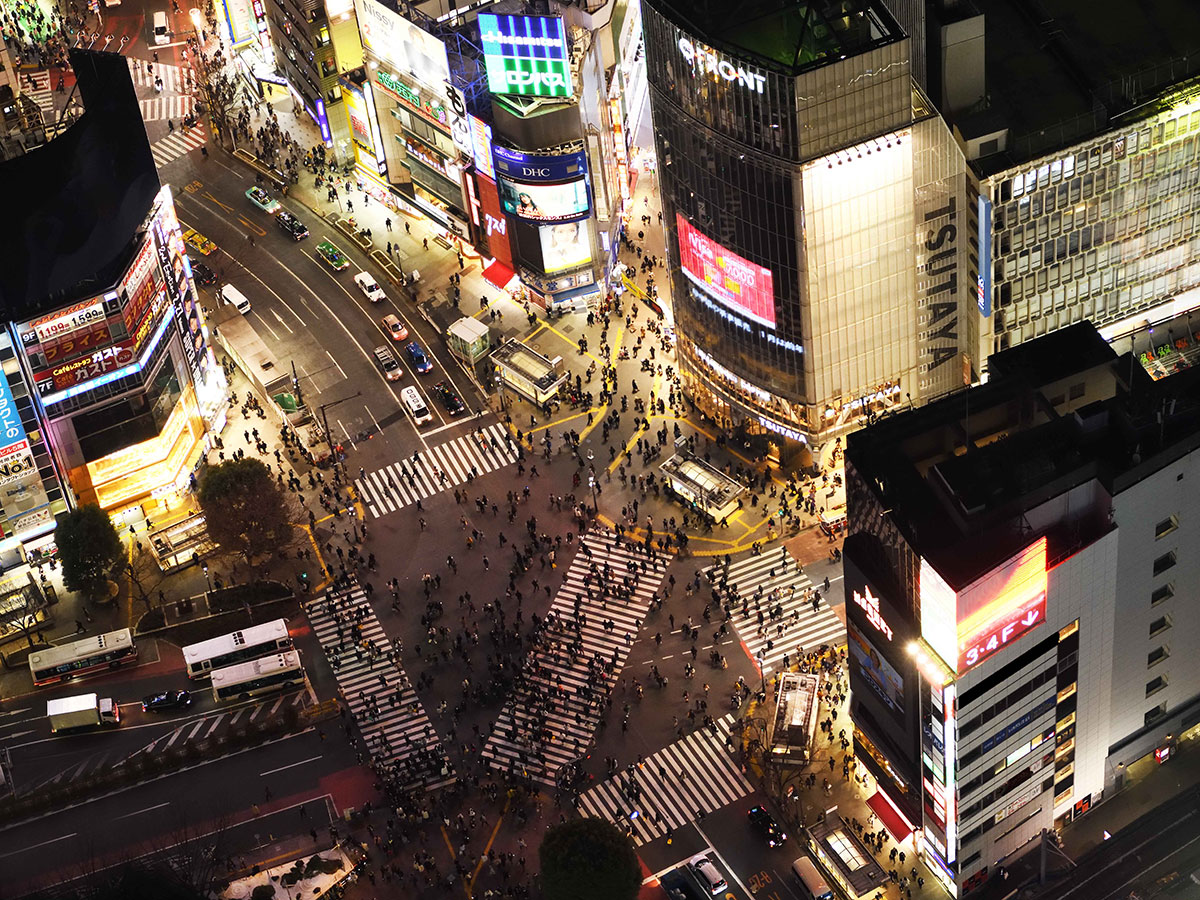
SHIBUYA SKY was built with three zones: SKY GATE, a transitional space on the 14F–45F; SKY STAGE, an outdoor observation area; and SKY GALLERY, an indoor observation corridor on the 46F. Not only can you see 360 degrees of scenery from 229m above Shibuya, but the observation spaces stimulate intellectual curiosity and foster imagination through a series of experiences.
30 minutes by train (JR)
3
teamLab Borderless: MORI Building DIGITAL ART MUSEUM
teamLab Borderless: MORI Building DIGITAL ART MUSEUM_1
teamLab Borderless: MORI Building DIGITAL ART MUSEUM_2
teamLab Borderless: MORI Building DIGITAL ART MUSEUM_3
teamLab Borderless: MORI Building DIGITAL ART MUSEUM_4
teamLab Borderless: MORI Building DIGITAL ART MUSEUM_1 teamLab Borderless: MORI Building DIGITAL ART MUSEUM_2 teamLab Borderless: MORI Building DIGITAL ART MUSEUM_3 teamLab Borderless: MORI Building DIGITAL ART MUSEUM_4

teamLab, Universe of Water Particles on a Rock where People Gather, Flowers and People, Cannot be Controlled but Live Together – A Whole Year per Hour, Crows are Chased and the Chasing Crows are Destined to be Chased as well: Flying Beyond Borders © teamLab

Wander, Explore, and Discover in One Continuous Borderless World
teamLab Borderless is a world of artworks without boundaries, a museum without a map created by art collective teamLab.

Artworks move out of rooms, relate to other works, influence each other, and at times intermingle, without boundaries. Through this group of works, one continuous world without boundaries is created.

Immerse your body in borderless art. Wander, explore with intention, discover, and create a world with others.
40 minutes by train(non-JR lines)
10 minutes by foot
4
Edo Kiriko Asakusa Ojima
Edo Kiriko Asakusa Ojima_1
Edo Kiriko Asakusa Ojima_2
Edo Kiriko Asakusa Ojima_1 Edo Kiriko Asakusa Ojima_2
Edo Kiriko is a traditional Japanese glass craft that evolved toward the end of the Edo period. It is characterized by beautiful cut patterns, soft curves that evoke the Edo sentimentality, and myriad designs. At this long-established traditional workshop in Asakusa that has been in business for three generations, you can learn the techniques of Edo Kiriko from craftsmen who have inherited the traditions since the Edo period, and experience the process of "arazuri" which involves engraving patterns into transparent glass. You can create your own original glass work using traditional Edo Kiriko techniques. Information in English is also available to help visitors gain a deeper understanding of traditional Japanese crafts. The production experience takes place while you learn how to cut and choose designs under the guidance of a craftsman. You can take the completed work with you right after the experience, making it the perfect memorabilia of your trip to Japan.
20 minutes by train(non-JR lines)
10 minutes by foot
5
SUIGIAN
SUIGIAN_1
SUIGIAN_2
SUIGIAN_3
SUIGIAN_4
SUIGIAN_1 SUIGIAN_2 SUIGIAN_3 SUIGIAN_4
Enjoying traditional Japanese performing arts up close, while sitting through a banquet, is one of the luxurious experiences that is unique to SUIGIAN. Live performances of traditional Japanese performing arts such as Noh, Kyogen, Kagura, Gagaku, and Nihon-buyo are held day and night on the Noh stage positioned in the center of the restaurant. The sight of seasonal dishes being served to the rhythm of Noh is truly entertaining. The menu expresses the 24 seasons and 72 micro-seasons of the Japanese lunar calendar with attentive detail, alongside a lineup of teas from long-established tea shops in Kyoto and sweet Kyoto confectionery. You can enjoy pairings of seasonal teas with dishes, season-themed cocktails prepared by skilled bartenders, and carefully curated Japanese sake and wine. Come experience Japanese culture and the seasons at the site of the legendary restaurant MOMOKAWA, which was a favorite among many literary figures and artists in the historic Nihonbashi district of Tokyo.
Day2
TOKYO
6
Tokyo Station
10 minutes by train(non-JR lines)
20 minutes by foot
7
Toyosu Market and Toyosu Senkyaku Banrai
Toyosu Market and Toyosu Senkyaku Banrai_1
Toyosu Market and Toyosu Senkyaku Banrai_2
Toyosu Market and Toyosu Senkyaku Banrai_3
Toyosu Market and Toyosu Senkyaku Banrai_4
Toyosu Market and Toyosu Senkyaku Banrai_1 Toyosu Market and Toyosu Senkyaku Banrai_2 Toyosu Market and Toyosu Senkyaku Banrai_3 Toyosu Market and Toyosu Senkyaku Banrai_4

Toyosu Senkyaku Banrai

These are two major sightseeing spots in the Toyosu area. Toyosu Shijou is a new market that was relocated from Tsukiji Market, and is especially famous for its early-morning tuna auction. Uogashi Yokocho is also a popular section, where you can view the auctions from the viewing walkway and enjoy meals of sushi and tempura. English-speaking guides and information boards available inside the market. Toyosu Senkyaku Banrai is a newly opened tourist spot in the outer area of ​​Toyosu Market, based on the concept of becoming a "sacred place of all things delicious." In an atmosphere that recreates the streets of Edo, you can enjoy dishes and sweets made with fresh ingredients. It is drawing attention as a place where you can eat and shop. You can relax in the Senkyaku Banrai Rooftop Footbath on the 8th floor and enjoy spectacular views of Tokyo Bay. There is also an adjoining 24-hour hot spring facility.
10 minutes by car
8
Tama Sushi (sushi-making experience)
Tama Sushi (sushi-making experience)_1
Tama Sushi (sushi-making experience)_2
Tama Sushi (sushi-making experience)_3
Tama Sushi (sushi-making experience)_1 Tama Sushi (sushi-making experience)_2 Tama Sushi (sushi-making experience)_3
The sushi-making experience at Tama Sushi, a long-established restaurant founded in Tsukiji, is a popular program for gaining a deeper understanding of traditional Japanese sushi culture. It offers participants the rare opportunity to learn about traditional Japanese sushi culture and to make their own sushi. In this experience, you will be taught directly by a professional sushi chef, standing at the counter in a white chef robe just like a real sushi chef as you experience making authentic sushi. While learning how to make nigiri-zushi and hand-rolled sushi, you can experience the delicate techniques and delicious flavors of sushi. You can also have fun comparing the sushi you have made with the sushi made by the chef. After the experience, you will receive a certificate and an ukiyo-e coaster as memorabilia of this unforgettable experience.
Day3
HOKURIKU(ISHIKAWA)
9
Tokyo Station
About 2 hours 30-50 minutes by JR Hokuriku Shinkansen
10
Kanazawa Station
Kanazawa Station_1
Kanazawa Station_2
Kanazawa Station_3
Kanazawa Station_4
Kanazawa Station_1 Kanazawa Station_2 Kanazawa Station_3 Kanazawa Station_4

There is a reason why Kanazawa Station was chosen as one of the 14 most beautiful stations in the world by Travel+Leisure in 2011. It is characterized by a dome supported by massive pillars modeled after Japanese drums used in traditional performing arts. Furthermore, the inside of the station is decorated with local traditional handicrafts as if it were a museum.

Things to Do in Kanazawa Station

The station’s 13.7 meter high gate was designed to resemble the image of the tsuzumi, the designers wanted to create a master-piece that greets all visitors with a structured theme that represents the city’s beloved Noh performances.

The designers wanted to create a master-piece that greets all visitors with a structured theme that represents the city’s beloved Noh performances.

By just walking around the station, you’ll find yourself immersed in the beautiful architectural beauty. The east side of the station has the most famous structures, the Motenashi Dome and Tsuzumi-mon Gate. The Motenashi Dome has a beautiful water garden, and just after the Tsuzumi-mon Gate you will find a foundation with various functions such as a water clock and spelling welcoming messages. At the west side of the station has a large garden overlooking an abstract monument which was constructed in 1989, celebrating the 100th anniversary of the establishment of Kanazawa as a modern city.

The east side of the station has the most famous structures, the Motenashi Dome and Tsuzumi-mon Gate.

How to Get to Kanazawa Station

By taking the Hokuriku Shinkansen from Tokyo Station, you can arrive within 2.5 hours to Kanazawa station which is the most well-known way from Tokyo to Kanazawa station in Ishikawa.

5 minutes by bus
11
Omicho Market
Omicho Market_1
Omicho Market_2
Omicho Market_3
Omicho Market_4
Omicho Market_1 Omicho Market_2 Omicho Market_3 Omicho Market_4
The Omicho Market has been thriving, originally as a kitchen pantry for the Kaga Maeda clan, since 1721, and as "Kanazawa's Kitchen Pantry" it has supported the lives of Kanazawa residents for nearly 300 years.
In addition to fresh seafood from the Sea of Japan and locally grown vegetables, assorted other fresh seafood, croquettes and many other delightful foods are available at about 170 shops and restaurants lined together along market alleyways.
10 minutes by bus
2 minutes by foot
12
Kenroku-en Garden
Kenroku-en Garden_1
Kenroku-en Garden_2
Kenroku-en Garden_3
Kenroku-en Garden_4
Kenroku-en Garden_1 Kenroku-en Garden_2 Kenroku-en Garden_3 Kenroku-en Garden_4
Kenroku-en Garden is one of the three most famous gardens of Japan, and it is the most beautiful "samurai garden" that has taken around 180 years to establish. The garden offers enjoyment of different views for every season of the year; cherry blossoms in spring, rabbitear irises in summer, autumn colors in the fall, and "yukizuri (poles and ropes to prop up trees in winter)." Visitors can also tour the neighboring Kanazawa Castle. The town of Kanazawa was developed around the castle, and there are numerous historical and cultural facilities nearby.
10 minutes by foot
13
D. T. Suzuki Museum
D. T. Suzuki Museum_1
D. T. Suzuki Museum_2
D. T. Suzuki Museum_3
D. T. Suzuki Museum_4
D. T. Suzuki Museum_1 D. T. Suzuki Museum_2 D. T. Suzuki Museum_3 D. T. Suzuki Museum_4

The museum is a place where you can experience the world view of Daisetz Suzuki, a Buddhist philosopher who was born in Kanazawa and promoted Zen culture abroad.
Visitors can learn and think about the thoughts and life of Daisetz through his calligraphic works, photos and writings.
The museum is within walking distance from popular tourist destinations such as Kenroku-en Garden and the 21st Century Museum of Contemporary Art, Kanazawa.
10 minutes by car
14
THE HOTEL SANRAKU KANAZAWA
THE HOTEL SANRAKU KANAZAWA_1
THE HOTEL SANRAKU KANAZAWA_2
THE HOTEL SANRAKU KANAZAWA_3
THE HOTEL SANRAKU KANAZAWA_4
THE HOTEL SANRAKU KANAZAWA_1 THE HOTEL SANRAKU KANAZAWA_2 THE HOTEL SANRAKU KANAZAWA_3 THE HOTEL SANRAKU KANAZAWA_4
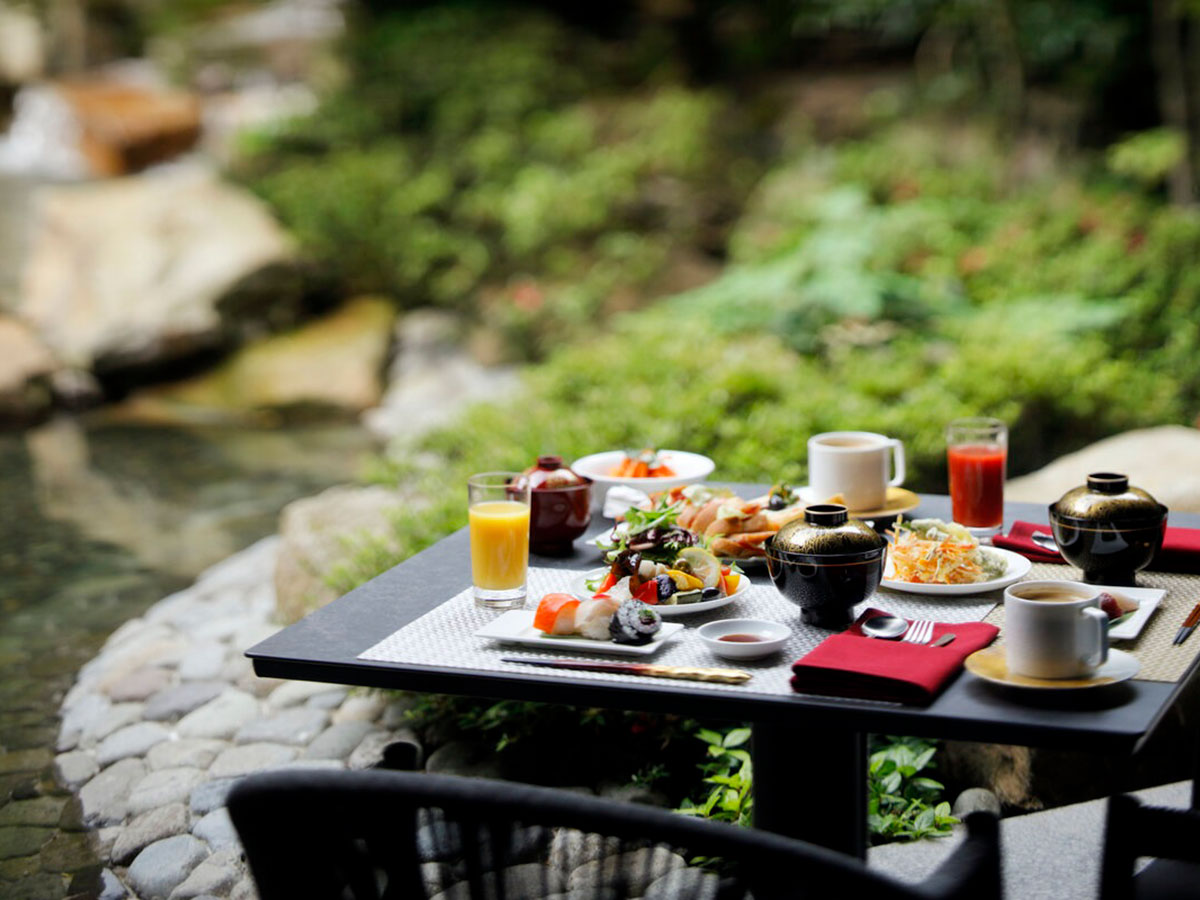
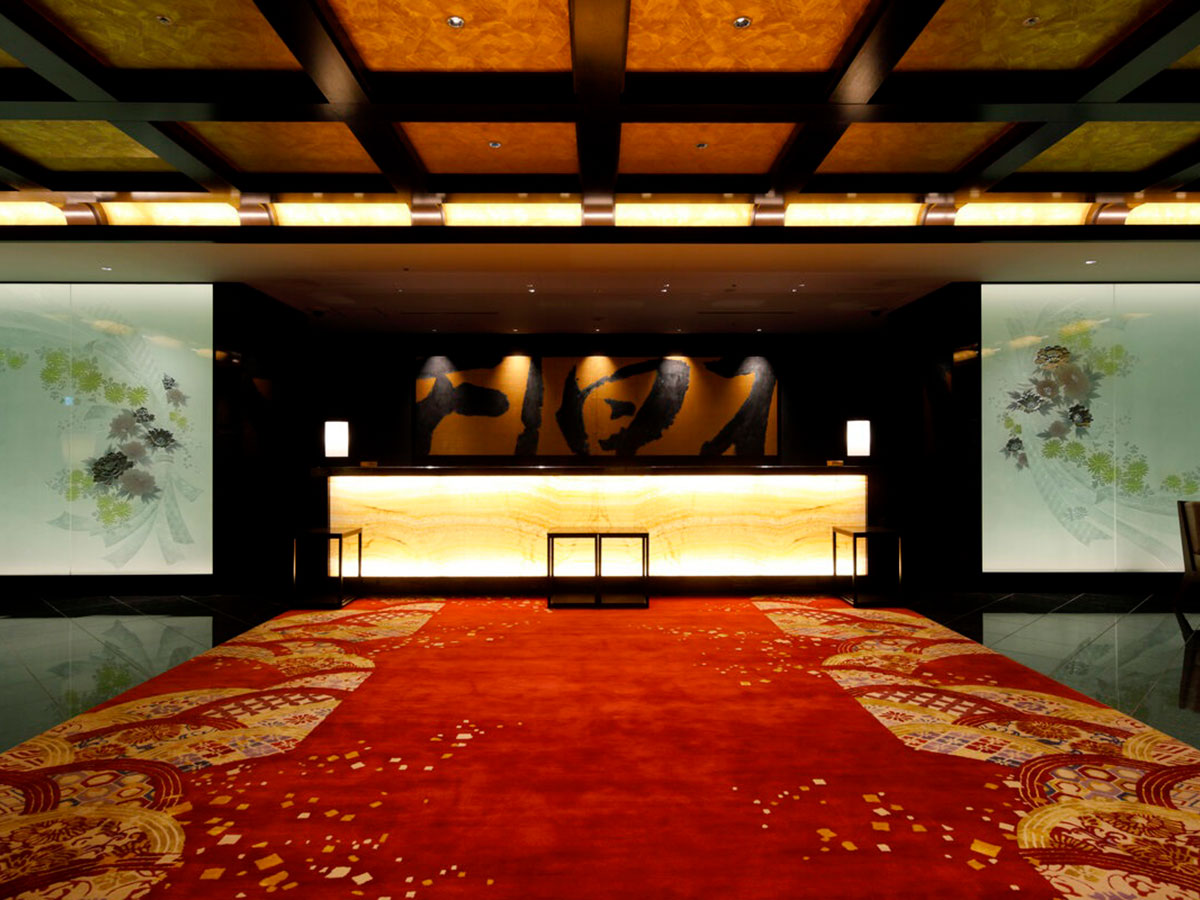
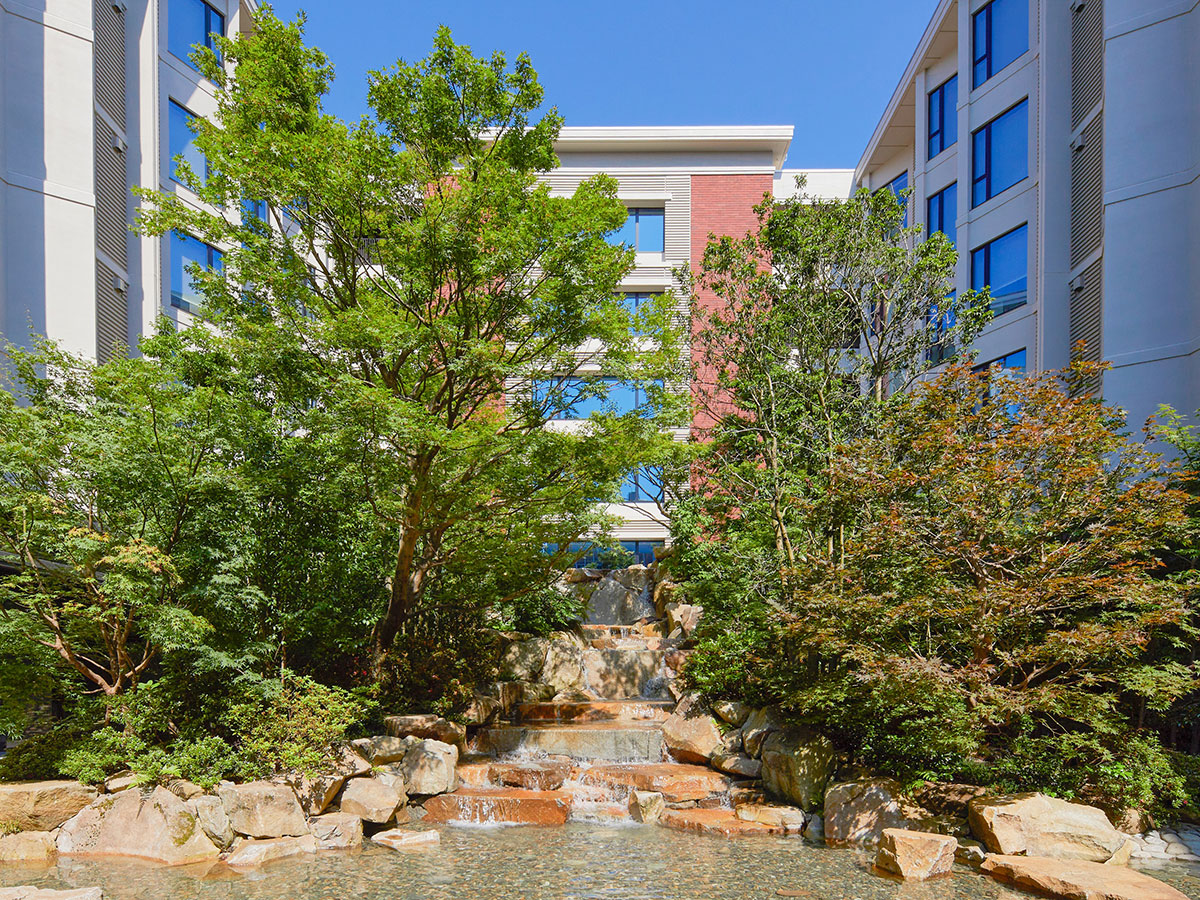
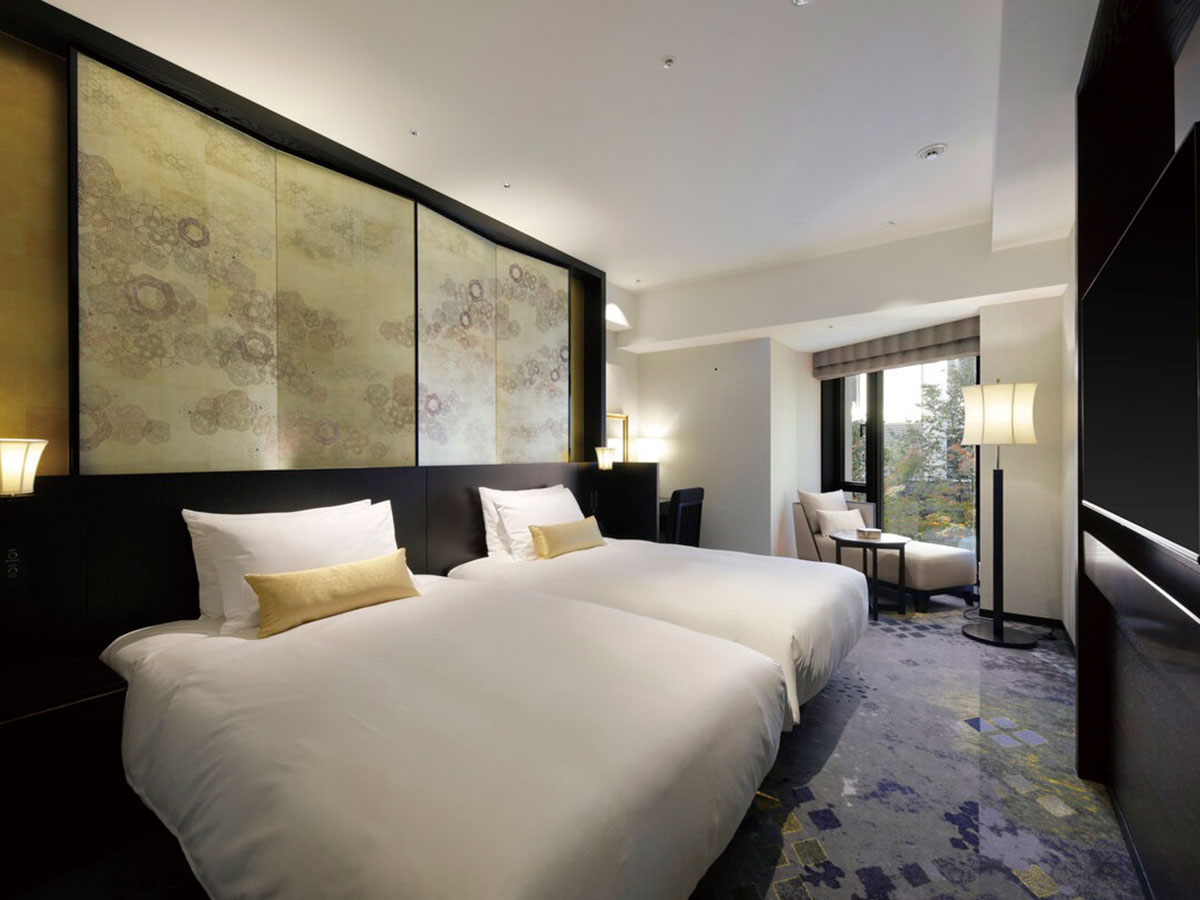
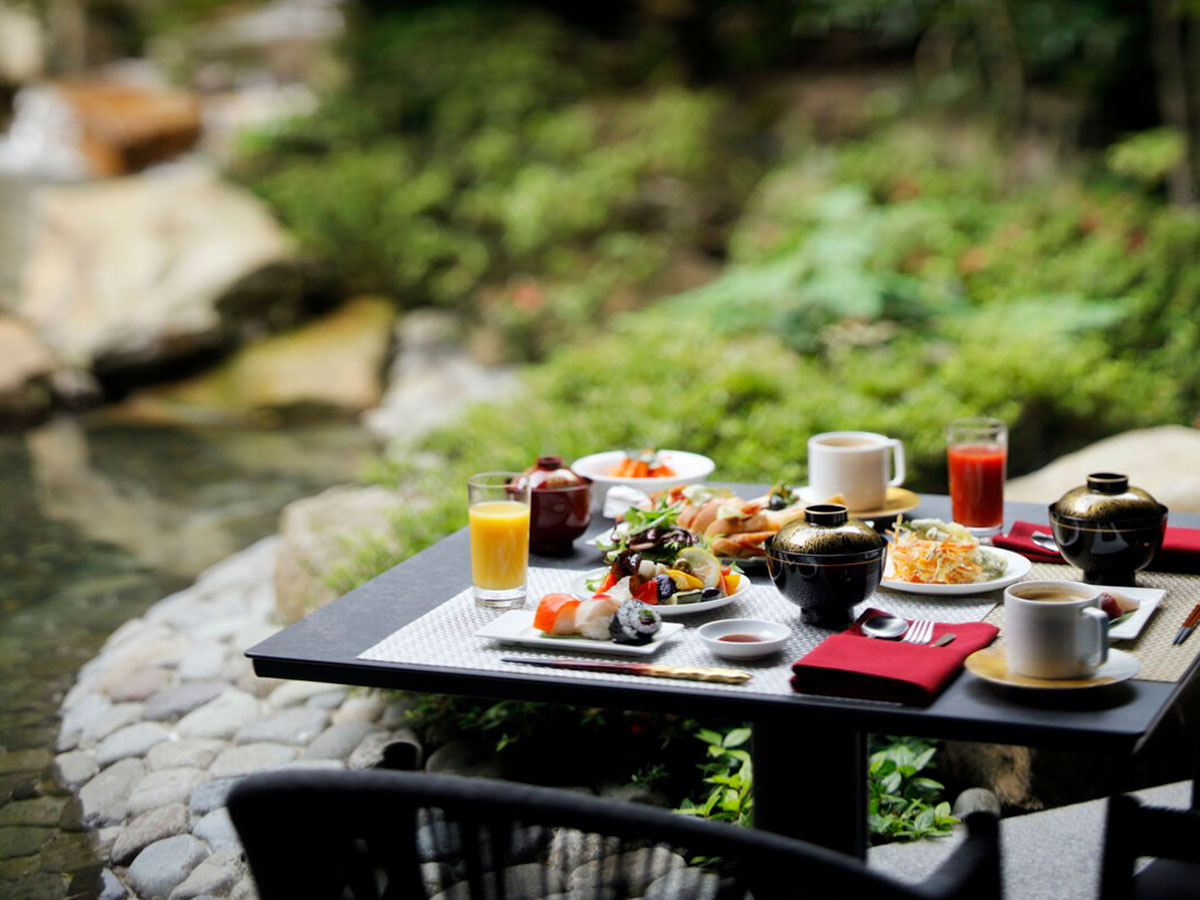
This luxury hotel, opened in December 2022, is located in the heart of Kanazawa City. It is within walking distance to major tourist attractions such as Omicho Market, Kanazawa Castle Park, and Kenroku-en, making it an attractive and convenient location for sightseeing. The guest rooms are stylishly designed with black as the base color, fused with elements of Kanazawa's traditional crafts. At the hotel's restaurant, diners can enjoy dishes featuring ingredients such as Noto beef and fresh seafood. The breakfast buffet, in particular, offers a dizzying selection of Japanese and Western-style dishes. The live kitchen counters are a popular highlight of the restaurant, serving sushi prepared by hand by the chefs using fresh ingredients delivered directly from Omicho Market, as well as seafood bowls and tempura made from freshly fried Kaga vegetables. Diners can also indulge in the wholesome and rich flavors of Kanazawa oden, Kanazawa curry, and the local specialty, Jibuni stew, all of which draw out the best flavors from the ingredients used.

About ISHIKAWA

Back to Top

COPYRIGHT © HOKURIKU × TOKYO ALL RIGHTS RESERVED.