Longer Itineraries
A Journey to be Reborn, Physically and Mentally, through Traditional Food and Experiences
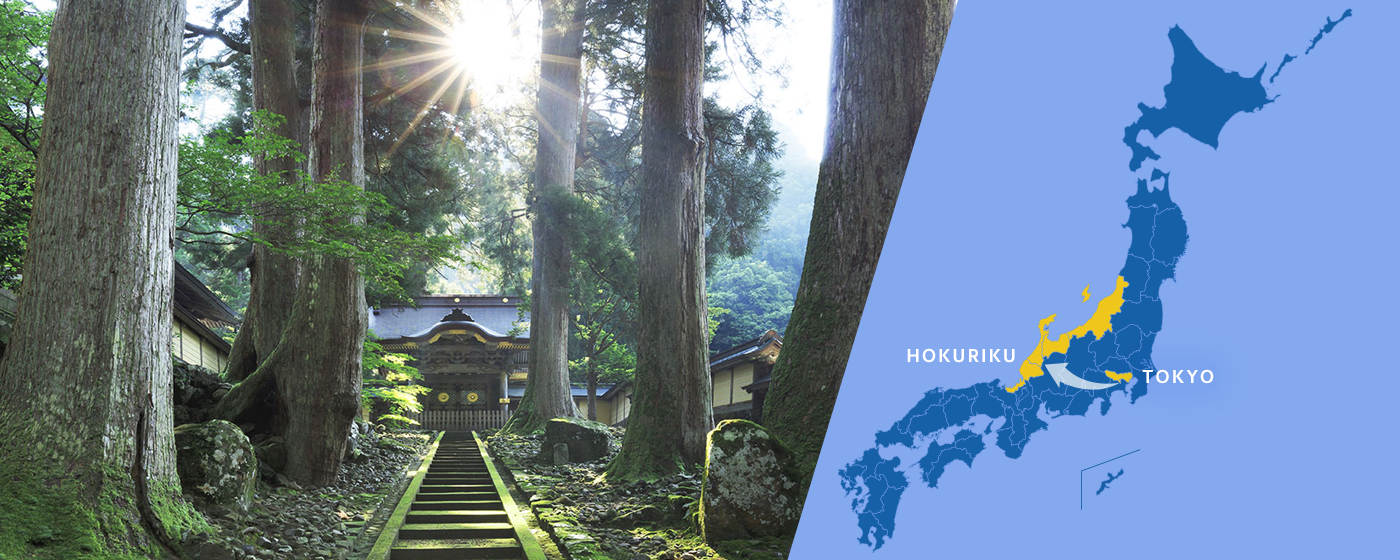
Traveling under the theme of "A Journey to be Reborn, Physically and Mentally, through Traditional Food and Experiences," you will visit a variety of recommended spots from Tokyo to Hokuriku.
In Tokyo you will visit the Nihondo Kampo Museum and the only valley in all of Tokyo's 23 wards, and will then experience Japanese kaiseki, traditional multi-course haute cuisine, at a restaurant in a garden that once served as a residence for a daimyo lord and their hatamoto vassals.
From there, you will make your way to Hokuriku, where you will experience both hot springs connected to famed haiku master Matsuo Basho (1644 - 1694) and zen meditation at Eiheiji temple, which had two stars bestowed upon it by the Michelin Green Guide Japan. Following this, you will refresh your body and mind by meditating under a waterfall at Oiwasan Nissekiji temple.

*The times represent the approximate time needed to travel between major spots.
Days 1 to 3
Kampo Herbal Medicines, and Kaiseki Cuisine -- Experience the Wisdom of Traditional Beauty and Health
On the first day of your journey, you will experience
kampo
traditional Japanese medicines, and
kaiseki
cuisine. Start by heading to the Nihondo Kampo Boutique, where you can learn about the ancient ideas of
kampo, which borrows from nature to keep people healthy through food. The idea behind
kampo
-- that the ingredients themselves lead to good health -- is still spreading in Japan.
After you have experienced a variety of kampo, make your way to Todoroki Valley, the only valley in all of Tokyo's 23 wards, and truly a spot that can be called an oasis in the city. Despite its location in Tokyo near a train station, Todoroki Valley is enveloped in greenery that allows visitors to forget around their daily life and refresh their body and mind. In addition to walking along the promenades, having a picnic on the grassy areas is one of the park's attractions.
The next location you will visit is Happo-en, which was a residence for a daimyo lord and their hatamoto vassals during the Edo era and which has an expansive Japanese garden on the premises. Enjoy kaiseki cuisine in the restaurant while gazing out onto the garden, with all of the kaiseki meals being made with the care and attention for the health and happiness of each and every customer.
1
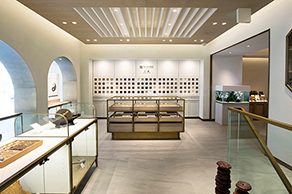
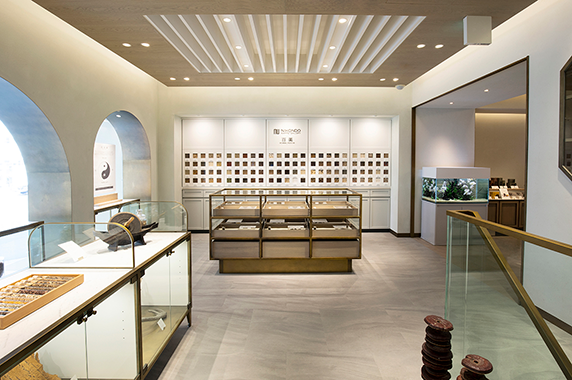
Nihondo Kampo Boutique
The Nihondo Kampo Boutique Aoyama is a beauty and health kampo specialty store. The store building contains a gallery where you can easily learn about kampo through panel displays, a boutique where you can consult about kampo and purchase products, and a restaurant where you can enjoy medicinal dishes that use Japanese and Chinese ingredients. The idea behind kampo has been passed down since ancient times, and you will learn about how kampo borrows from nature to keep people healthy through food. Becoming familiar with kampo and medicinal foods will give you a new perspective on health and wellness.

 20 minutes by train(non-JR lines)
2
Todoroki Valley
This 1km valley, situated at the southern tip of the Musashino Plateau, is one of the few valleys in the Tokyo area.
Go down the steps at the entrance to Golf Bridge, a 3-minute walk from Todoroki Station, and find the walking trail that follows the Yazawa River downstream.
Hear the rustling of the Japanese zelkova, konara oaks, and dogwood trees in the breeze, the murmuring of the river, and the wild birdsong; so close to nature you would never think you were in the city.
*Due to tree trimming and other work, entry to Todoroki Valley and its walking trails is currently closed. Please check Setagaya City's official website for more information. (As of May 2024)
It is scheduled to be opened by March 2026.
 20 minutes by train (non-JR lines)
3
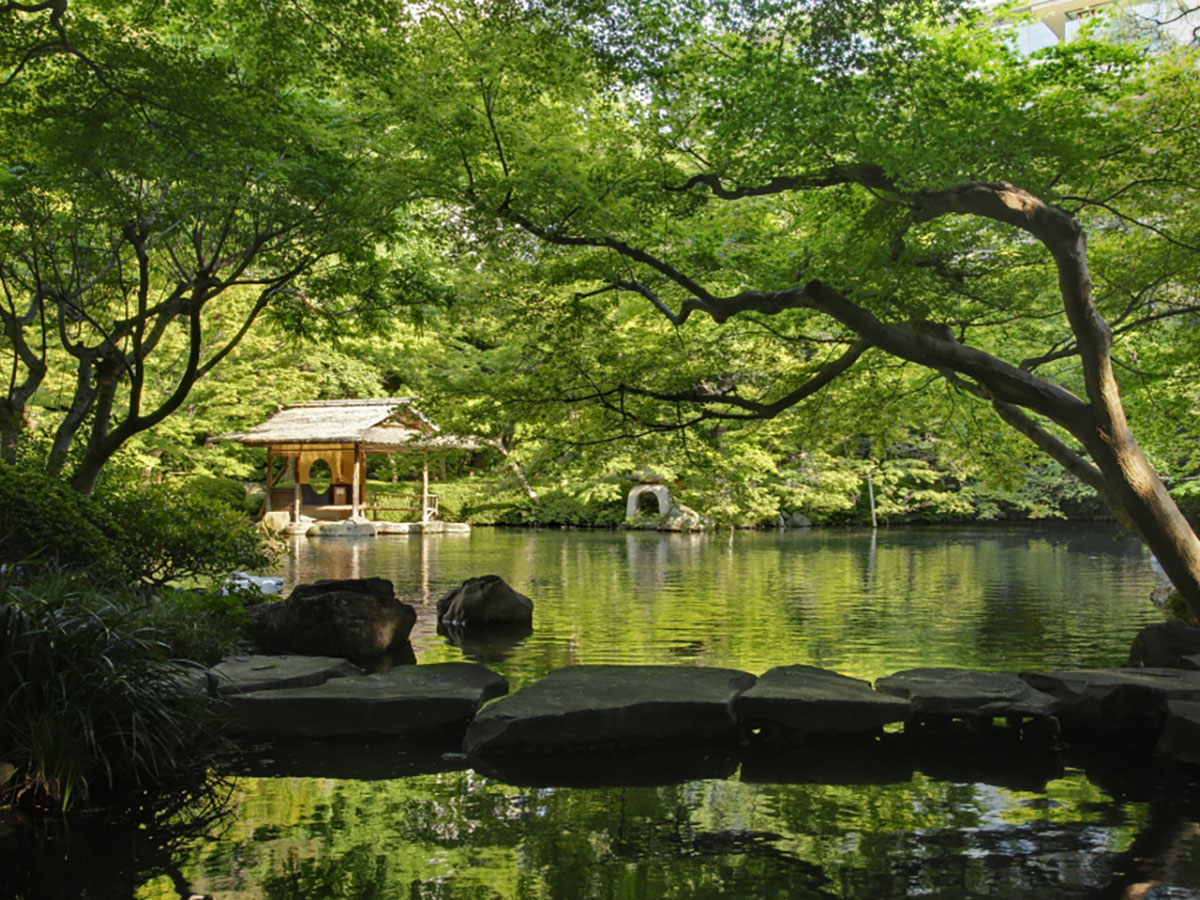
Happo-en
Happo-en, situated within a site of approximately 10,000 tsubo (about 33,058 square meters), has a Japanese garden with approximately 400 years of history dating back to the Edo period.
The name is derived from how beautiful it looks from all angles (from the Japanese expression "shiho happo," meaning every direction).
There is a Western restaurant and a traditional Japanese restaurant in the garden, and it is famous as a wedding venue.
The name is derived from how beautiful it looks from all angles (from the Japanese expression "shiho happo," meaning every direction).
There is a Western restaurant and a traditional Japanese restaurant in the garden, and it is famous as a wedding venue.
 30 minutes by bus
 JR Tokaido-Shinkansen
65 minutes by train (JR)
25 minutes by train (non-JR lines)
15 minutes by bus
Days 4 to 7
Cleansing Your Mind with Zen Meditation and Hot Springs.
Move on to Fukui Prefecture to visit Eiheiji Temple (Soto Zen), which had two stars bestowed upon it by the Michelin Green Guide Japan. Monks in training live and practice
zen
at Eiheiji temple, where you can view the ceiling paintings and experience
zazen
meditation, and at the shops in the town near the temple you can also experience authentic Buddhist vegetarian cuisine.
On the following day, you will travel to Yamanaka Onsen,which is one of Hokuriku's most well-known hot springs, and is connected to famed haiku master Matsuo Basho (1644 - 1694). Hot springs also feature in Basho's travel diary Oku no Hosomichi ("The Narrow Road to the Deep North").
After washing away any fatigue by slowly soaking in the hot springs, which are said to be the hot springs that Basho also soaked in, enjoy having your fill of fresh seafood from the Sea of Japan. Yamanaka Onsen also has many walking spots and there are plenty of attractions other than the hot springs. Visiting the galleries and cafes in the area is also recommended.
4
Soto Zen Daihonzan Eiheiji Temple
The temple was founded as a Zen monastery in 1244 by Soto Zen founder Dogen Zenji. There are more than 70 large and small buildings on the grounds, and the shichido garan complex of halls connected by corridors is a large building that is indispensable for everyday practice. The Rurishobokaku museum has a number of treasures on display that include the Fukan zazengi, Dogen Zenji's essay on the practice of Zen, which is a national treasure.
In 2015, the French Michelin Green Guide Japan gave the temple a 2-star rating.
In 2015, the French Michelin Green Guide Japan gave the temple a 2-star rating.

 15 minutes by car
25 minutes by train (non-JR lines)
25 minutes by train (JR)
30 minutes by bus
5
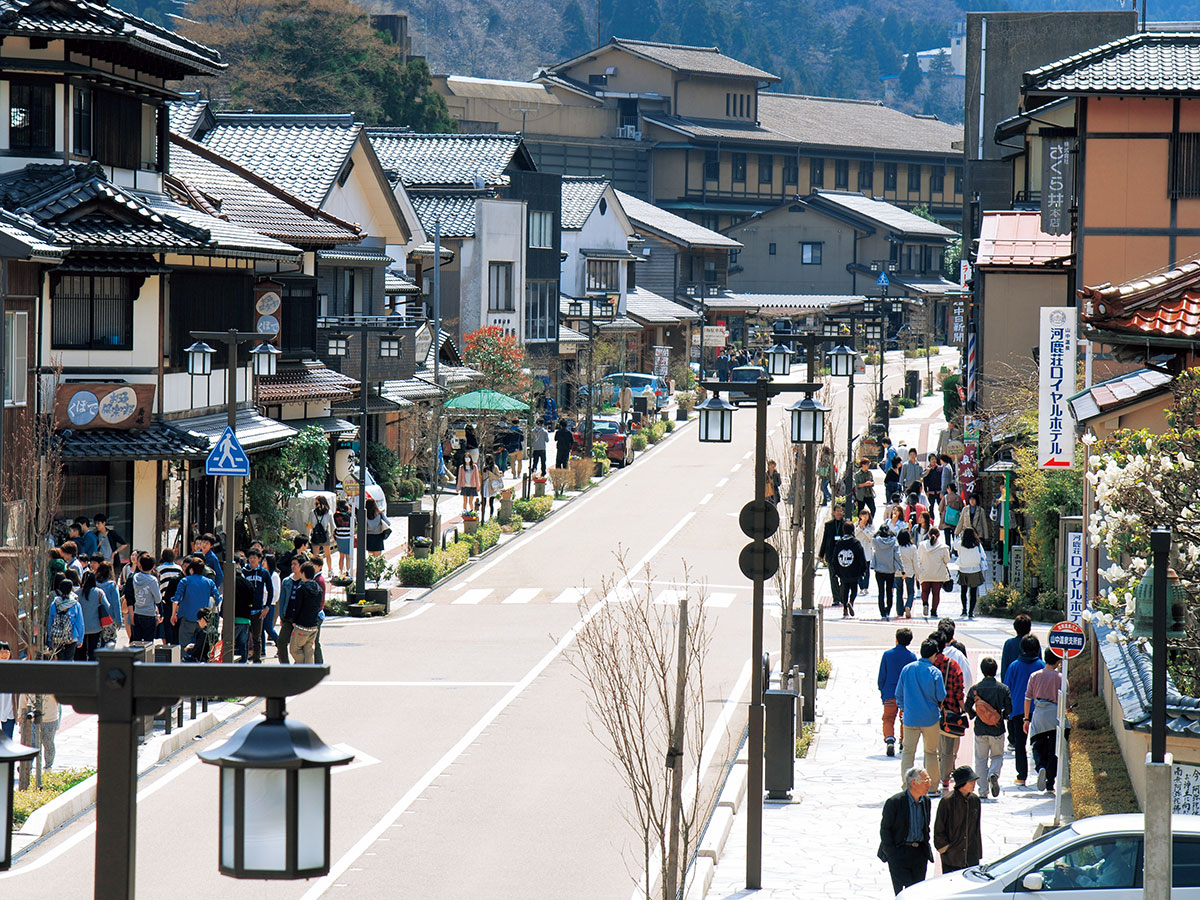
Yamanaka Onsen
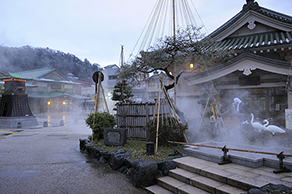
The Yamanaka Onsen has a history going back 1,300 years. The Yuge Kaido road that runs through Yamanaka features many galleries such as Yamanaka Lacquerware and Kutaniyaki (Japanese porcelain). Along the road there are cafes and restaurants you can visit while enjoying a nice stroll.
 30 minutes by bus
50 minutes by train (JR)
JR Hokuriku Shinkansen
45 minutes by car
Days 8 to 11
Refresh via Waterfall Meditation! Recommended Spots in Toyama
Toyama is the place you will visit at the conclusion of this "Journey to be Reborn, Physically and Mentally, through Traditional Food and Experiences." First, you will go to Oiwasan Nissekiji temple, a mountain worship temple that was founded in the year 725.
Magaibutsu (Buddha figure(s) carved into a cliff or natural rock face) are nationally designated Important Cultural Properties, and the magaibutsu at Oiwasan Nissekiji temple, due to its size and beauty, is one of the best in Japan. Additionally, if you make a reservation, then you can refresh your mind and body through a waterfall meditation experience.
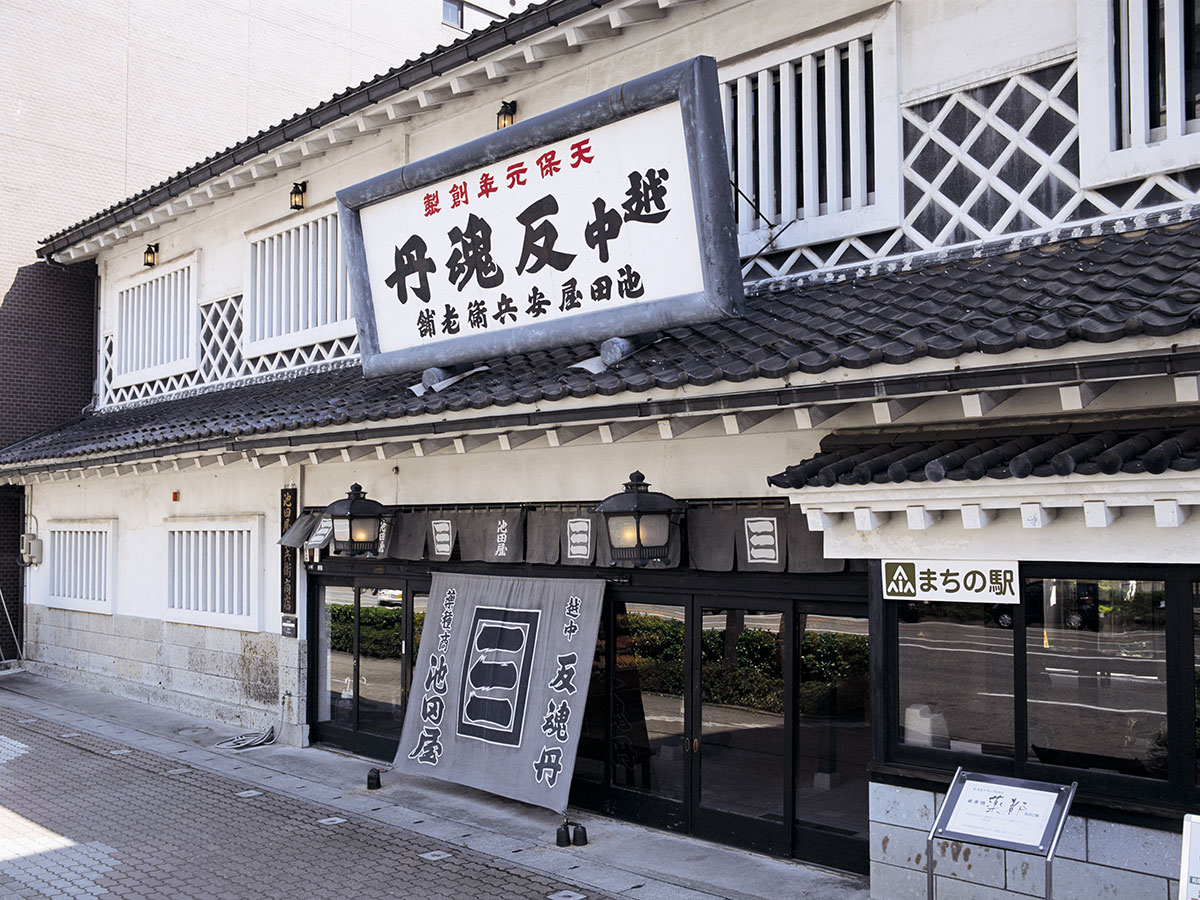
Toyama's somen, thin noodles made from wheat flour, are famous, so take a moment and enjoy them together with river fish and wild plants at a restaurant near the temple's gate. At the Ikedaya Yasubei Shoten kampo store, you can learn about Toyama's kusuri-uri medicine sellers, a tradition which has been passed down since the Edo era, and at the store's restaurant you can enjoy medicinal foods that are made with Japanese kampo.
Generation after generation of the store's managers have been experts of kampo traditional Japanese medicine, and during the tour the current manager will explain in detail kampo' s past and present. Kampo remedies can also be bought as a souvenir.
Then, by the end of the trip, you will feel refreshed and renewed in both body and mind.
6
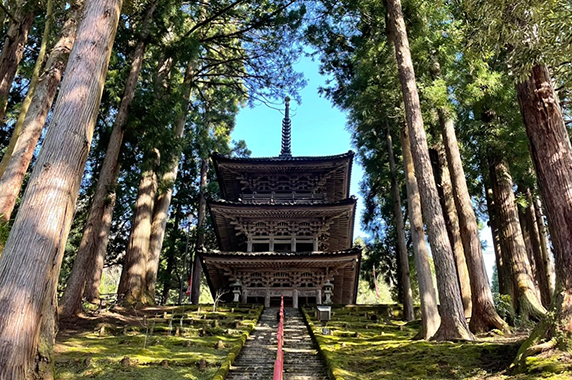
Oiwasan Nissekiji Temple
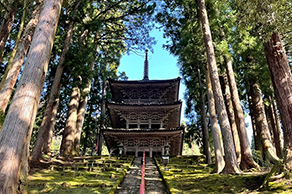
Oiwasan Nissekiji temple is a mountain worship temple that is said to have been built in the year 725. The temple's main object of worship, the Oiwa Nisseki Magaibutsu, is nationally designated as an Important Cultural Property, and consists of five figures, including the 3.1m-high Fudo myo-o statue, the Nidoji statue, which is believed to have been carved in the late Heian era, and the Amidanyorai statue that is enshrined as Tateyama's deity. Within the temple grounds there are numerous attractions such as the Three Story Pagoda and the Sanmon Gate, and anyone can experience waterfall meditation in the winter at Roppon Waterfalls (reservation required). The cold water rushing over you can strengthen your body and mind. Oiwasan is famous for somen thin noodles made from wheat flour. In addition to the somen noodles, you also enjoy river fish and wild plants in the shops near the temple's gate.
 45 minutes by car
7
Ikedaya Yasubei Shoten Kampo Store
This shop lets you experience and buy the culture of "Toyama medicine sales," which have been loved in Japan since the Edo period. A popular attraction are the tours and workshops on pill making, where they use pill-making machines made of old wood.
"A Journey to be Reborn, Physically and Mentally, through Traditional Food and Experiences" introduced a course of travel that takes you from the heart of Tokyo to Hokuriku. Travel time is required for some portions of this journey, so taking at least eight days will allow for a leisurely journey.
Example transportation have been provided for reference, but walking around and exploring in the areas near the spots introduced in this journey as the mood takes you is also recommended.
*The information provided here is as of March 2022.
*Transportation information does not include the number of transfers or transfer time.
*Admission fees may be charged depending on the spot/facility. For the latest information on business hours, days when spots/facilities are regularly closed, prices, etc., please check the official website for each spot/facility or check directly with the spot/facility.